If you’ve ever stared at a stack of faxed forms wondering how long a patient’s treatment will be delayed, you know the pain of prior authorization. The prior authorization API promised to turn that chaos into a clean, real?time exchange. And with the new CMS-0057-F rule, the stakes are higher than ever. In this guide I’ll walk you through what the regulation demands, how API automation makes it happen, and why providers and payers are finally smiling.
The Prior Authorization Burden
Every year the United States spends roughly $30?billion on prior authorization administration alone. That figure includes staff time, fax machines, and the missed appointments that cost patients their health outcomes. Providers say the average turnaround is 4–6?days, but the rule now forces a 72?hour decision window for most requests. So why does the process still feel like a relic from the dial?tone era?
Part of the problem is that most health systems still rely on EDI?837 and paper faxes. Those formats are clunky, lack any context, and force manual data entry. The result? Errors skyrocket and clinicians spend more time chasing approvals than caring for patients. If you’ve ever asked, “Is there a faster way?”—the answer is a yes, and it lives in the prior auth automation space.
What CMS-0057 Requires
CMS-0057-F is the rule that reshapes how insurers must respond to prior authorization requests. It sets three hard deadlines that every payer has to meet:
- Standard requests – decision within 72?hours of receipt.
- Urgent requests – decision within 24?hours for life?threatening conditions.
- Electronic prior authorization – all requests must be submitted via a standardized API or an approved “sandbox” environment.
The rule also mandates that payers expose specific FHIR® resources: CoverageEligibilityRequest, CoverageEligibilityResponse, and Claim. Authentication must follow OAuth?2.0, and responses need to include a clear outcome code and supporting documentation. Miss a deadline and you’re looking at penalty fees that can top $1?million per violation.
Now, you might think “That’s a lot of technical jargon for my admin staff.” But the good news is the rule was designed for developers, not paperwork lovers. If your IT team can spin up a RESTful endpoint, you’re already halfway there.
How API Automation Works
Technical Architecture
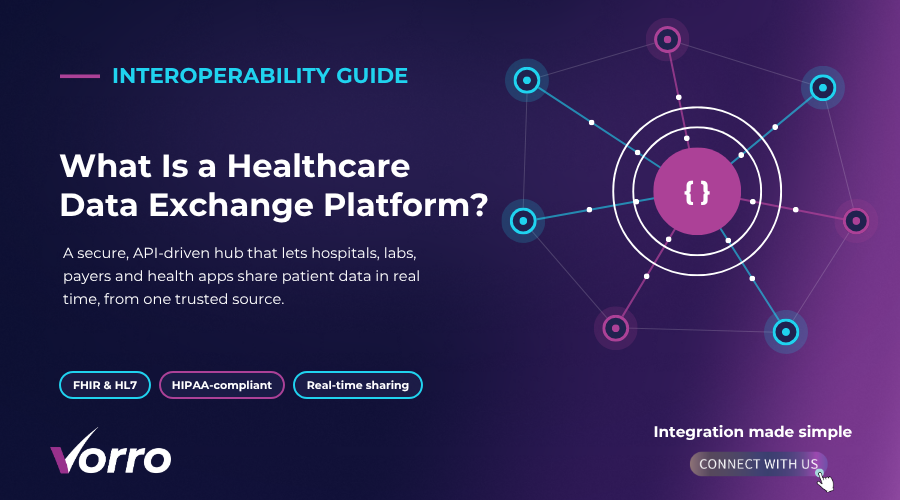
At its core, a Prior Authorization API is a set of RESTful endpoints that accept JSON payloads matching the FHIR resources we just mentioned. A typical flow looks like this:
- Provider system builds a CoverageEligibilityRequest bundle with patient, provider, and service details.
- The bundle is POSTed to the payer’s
/Eligibility/Requestendpoint over HTTPS. - Payer validates the request, runs its utilization rules, and returns a CoverageEligibilityResponse within the mandated timeframe.
- If additional info is needed, the payer issues a status=requires_information flag, prompting the provider to send supplemental data.
Authentication is handled via OAuth2. The provider first obtains a token from the payer’s token endpoint, then includes it in the Authorization: Bearer header. Tokens typically expire after 15?minutes, which keeps the exchange secure and limits replay attacks.
Response Times and Reliability
CMS expects 95?% of standard requests to be answered within the 72?hour window. Top?tier vendors report median response times of 1.8?seconds for simple eligibility checks and under 8?seconds for full claim adjudication. That’s the kind of speed that turns a potential day?long wait into a real?time decision you can display on the provider’s EHR screen.
Integration Patterns
Most health systems choose one of three paths:
- Direct API connection – the EHR talks straight to the payer. You get the fastest round?trip, but you also shoulder the burden of handling different payer specifications.
- Middleware hub – a third?party platform like Availity normalizes requests before forwarding them. This reduces custom code but adds a modest latency (usually under 500?ms).
- EDI fallback – if the API is down, the system automatically reverts to a traditional 837 transaction. A good safety net, but it should be the exception, not the rule.
And don’t forget to test in the payer’s sandbox before you go live. Those sandboxes mimic production specs but let you hammer the endpoints with fake data without risking a patient’s claim.
What to Look for in a Solution
When you start shopping for a prior auth integration, keep an eye on these four factors:
- Scalability – can the platform handle 10,000 requests per hour during peak flu season?
- Support model – 24/7 SLA, dedicated integration engineer, and a clear escalation path are non?negotiable.
- Pricing transparency – many vendors hide fees behind “per?transaction” rates that balloon as you grow.
- Analytics – real?time dashboards that show turnover, error rates, and provider satisfaction scores.
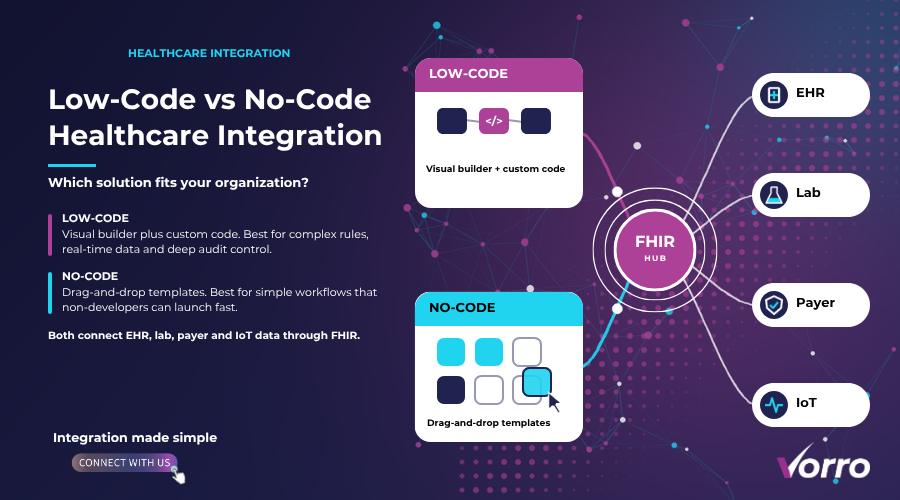
Take Optum for example. Their PA API platform offers built?in KPI reporting and a “no?code” UI for mapping custom fields. That saved one Midwest health system roughly $450?k in the first year because they avoided a massive consulting project.
Compliance Checklist
Security isn’t an afterthought; it’s baked into the rule. Here’s a quick cheat sheet you can hand to your compliance officer:
- HIPAA encryption – all data in transit must use TLS?1.2 or higher.
- Audit logs – every request and response must be logged with a timestamp, user ID, and outcome code for at least six years.
- Patient consent – ensure the EHR captures and stores consent before any data leaves the provider network.
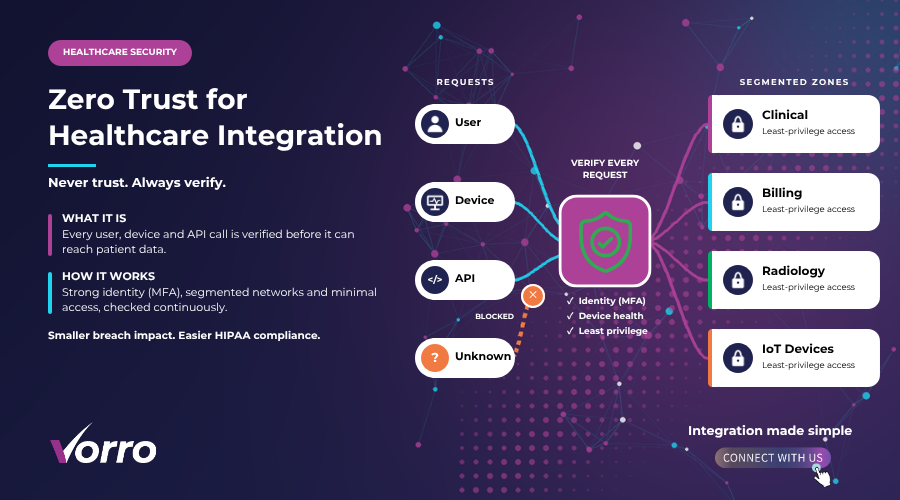
- Role?based access – only authorized staff can trigger API calls; use MFA for all API keys.
- Incident response – define a process for breach notification within 60?days, as required by HITECH.
Now, you might think ticking boxes is tedious. In reality, each item on this list protects you from costly fines and preserves patient trust.
Implementation Roadmap
Getting a Prior Authorization API from pilot to production isn’t a one?day job. I break it down into four milestones:
Governance
Start with a cross?functional team: IT, clinical operations, compliance, and payer liaison. Define success metrics—turnaround time under 48?hours, error rate below 2?%, and provider satisfaction above 85?%.
Development and Testing
Build the request payload using the FHIR model. Run unit tests for each field, then move to integration tests in the payer’s sandbox. Aim for at least 200 simulated transactions before you touch production.
Payer Onboarding
Each payer may have slight variations in required fields. Work with their integration engineer to map any gaps. Document the mapping in a shared repo—future updates will thank you.
Go?Live and Monitoring
Launch with a limited provider group (maybe one clinic). Monitor latency, log errors, and hold daily stand?ups for two weeks. Once the metrics meet your governance targets, scale to the entire network.
And don’t forget to schedule quarterly reviews. CMS may tweak CMS-0057-F, and you’ll want to stay ahead of any new compliance curves.
Future Outlook
Automation is only the first layer. AI?driven triage engines are already being piloted to pre?evaluate eligibility before the API call even leaves the EHR. Imagine a system that flags “high?risk” requests and routes them to a specialist reviewer automatically.
Next?gen standards like FHIR?R4 and the emerging “Prior Authorization Service” profile promise richer data exchange—think real?time lab results and clinical notes baked into the request. The ultimate vision? No more “pending” status; the decision arrives the moment the provider clicks “send.”
Conclusion
In short, the prior authorization API is no longer a nice?to?have; it’s a compliance imperative under CMS-0057-F. By embracing API automation, you cut admin costs, hit the 72?hour decision window, and give patients the care they deserve. Remember to run through the compliance checklist, follow a solid implementation roadmap, and keep an eye on AI tools that could take the process even farther. The future of utilization management is already here—are you ready to join the conversation?
FAQs
How does the Prior Authorization API differ from traditional EDI?
EDI relies on batch files and manual parsing, whereas the API uses real?time, JSON?based FHIR resources. This shift reduces latency from days to seconds and provides richer clinical context.
What happens if a payer can’t meet the 72?hour rule?
CMS imposes monetary penalties and may require the payer to publish performance metrics. In practice, most large payers have built redundancy and monitoring to avoid such breaches.
Can small clinics afford to implement a PA API?
Yes. Many vendors offer cloud?hosted solutions with per?transaction pricing, so you only pay for what you use. The cost savings from reduced staff hours often offset the subscription fees within six months.
Is OAuth2 the only authentication method allowed?
CMS-0057-F specifically calls for OAuth2 or a mutually agreed secure token exchange. Some legacy payers still support Basic Auth, but it’s being phased out.
Will AI eventually replace human reviewers?
AI will augment reviewers by providing risk scores and suggested decisions, but final authority will likely stay with a clinician for the foreseeable future, especially for complex cases.