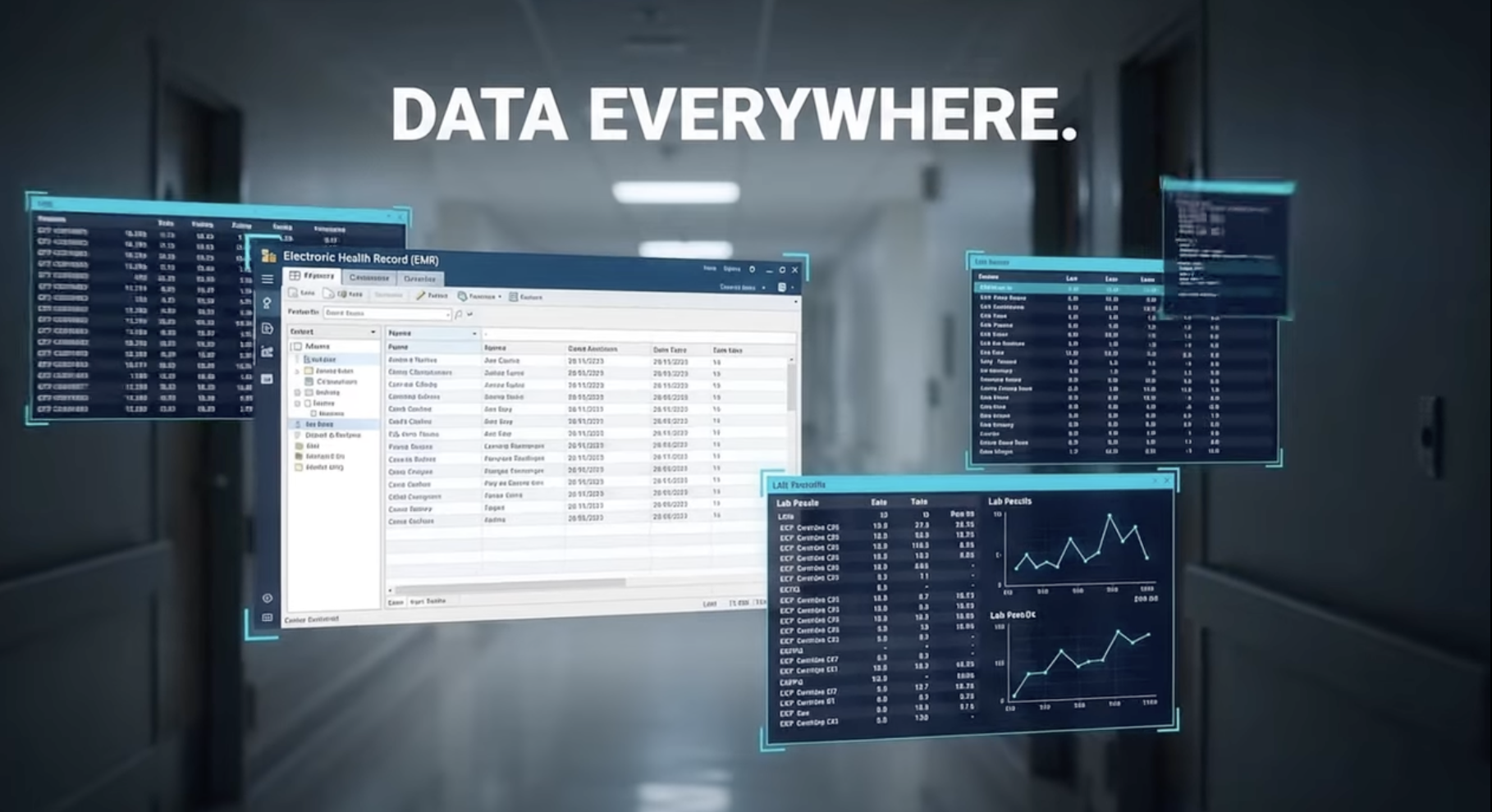
In healthcare, speed is often the deciding factor between positive and negative outcomes. The faster data is synced between systems, the quicker clinicians can act on it, leading to better patient care and smoother operations. But when data doesn’t sync in real-time, the delays can result in a ripple effect that impacts both care and revenue.
The Problem with Delayed Data
Traditional healthcare systems rely on batch processing, where data is synced at specific intervals, sometimes as infrequently as once a day. While this may have worked in the past, it presents real challenges in today’s fast-paced environment:
- Outdated patient data: Delayed updates to patient records can cause misdiagnoses or missed treatments.
- Slow claim processing: If payer data doesn’t sync in real-time, claims can be rejected or delayed.
- Inefficient care coordination: Slow data flow between providers leads to unnecessary tests or repeated procedures.
These delays, though seemingly small, accumulate over time and cost healthcare providers millions of dollars annually.
The Benefits of Real-Time Data Syncing
By moving from batch processing to real-time data syncing, healthcare organizations unlock several key advantages:
- Faster decision-making: Clinicians can access the most up-to-date patient information, leading to faster diagnoses and treatment plans.
- Improved patient experience: With no waiting for data to update, patients receive care faster, leading to higher satisfaction.
- Streamlined billing: Real-time syncing with payer systems ensures claims are processed correctly the first time, reducing denials and rework.
One healthcare provider saw a 30% reduction in claim denials simply by switching to real-time data syncing, with claims processed 50% faster than before.
The Takeaway
In the modern healthcare landscape, every second counts. Real-time data syncing isn’t just a nice-to-have; it’s essential for improving patient care, operational efficiency, and financial health. By adopting this approach, healthcare organizations can stay ahead of the curve, ensuring that data flows smoothly and decisions are made quickly.
Who We Are
We help healthcare tech teams crush integration complexity.
Each week, we unpack the mess behind the scenes-so you can launch faster and scale smarter.
Fully managed EiPaaS. Built for healthcare.
👉 vorro.net

Akshita is a Senior Content Writer and Marketer with over a decade of experience crafting narratives that convert, rank, and build lasting brand authority. She has worked across SaaS, FinTech, HealthTech, and Education spaces, delivering everything from HIPAA-compliant medical content to multilingual campaigns for the International Labour Organization, United Nations. Her content has reached audiences across the globe, and she has worked for Fortune 500 brands, global agencies, and startups alike. Fluent in English, Spanish, and German, Akshita brings a rare cross-cultural edge to brand communication. A literature graduate from Delhi University, she balances strategic thinking with a storyteller's instinct, but when she isn’t architecting content roadmaps, she channels her creativity into poetry and painting or dedicates her time to caring for stray animals - pursuits she credits for making her a more empathetic and perceptive communicator.