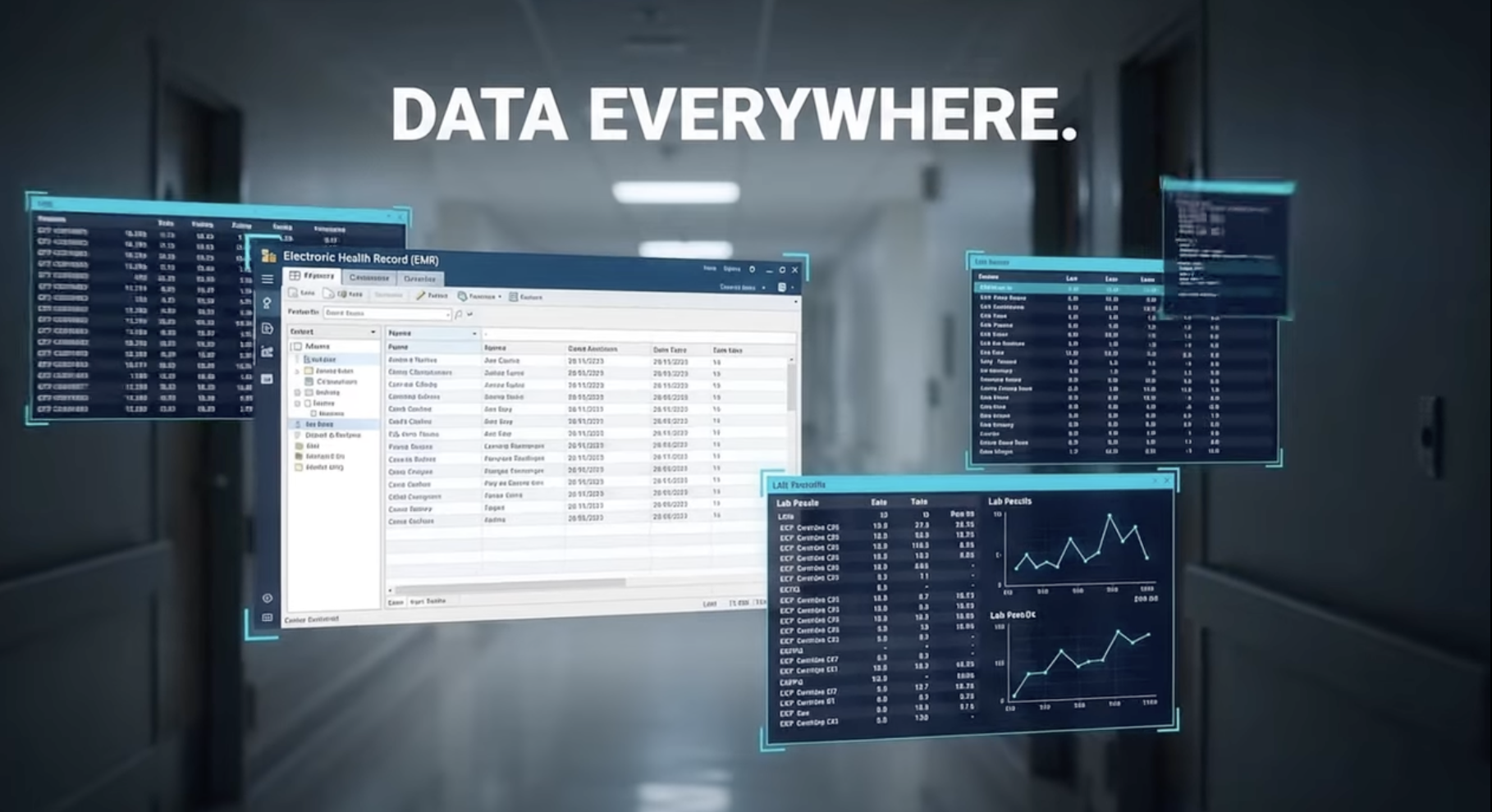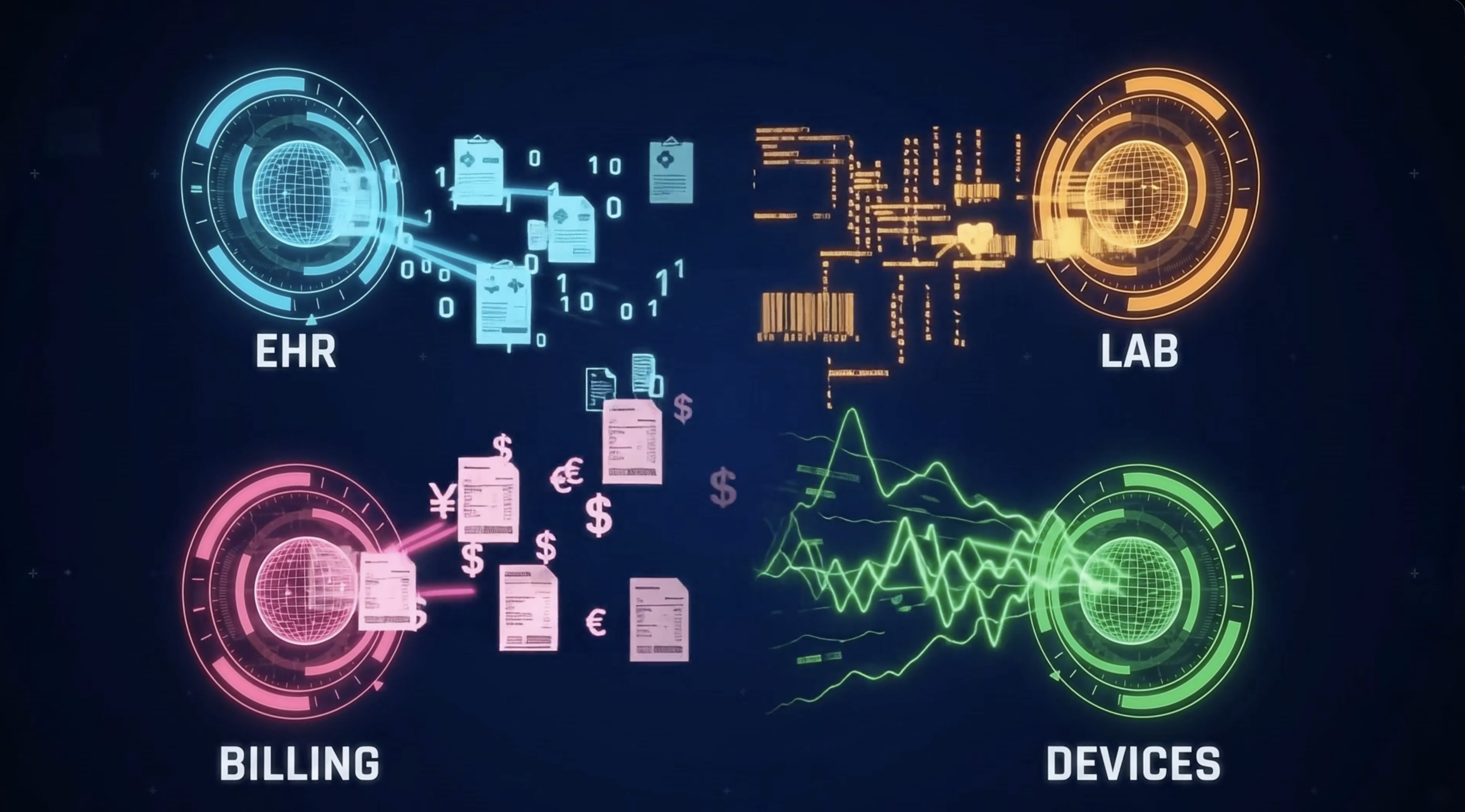
Companies depend more on data to make choices, improve customer interactions, and spur development in the current data-focused environment. Recent studies (The Business Research Company) (Exploding Topics) show that the worldwide customer data platform market is projected to hit $10.3 billion by 2025, with a 34.0% CAGR growth from 2020.
In the US, the market is expected to experience substantial growth due to the rising demand from businesses to integrate customer data across different platforms (Grand View Research). This data shows how essential it is to integrate data into business plans.
CDI involves merging customer data from different sources to create a cohesive, centralized view of the customer. Businesses of any size rely on this integration to gain a complete insight into customer behavior, preferences, and interactions.
Customer Data Integration, what is it?
Customer Data Integration (CDI) is the process of gathering, combining, and aligning customer information from various sources and platforms. CDI’s basic elements comprise:
- Data Gathering: Collecting data from different touchpoints like CRM systems, social media, transaction records, and customer service interactions.
- Consolidating data involves combining gathered information into one central location, removing any duplicates, and maintaining uniformity.
- Data synchronization involves constantly updating the main database with fresh data from different sources to maintain the accuracy and timeliness of the integrated information.
What is the significance of Customer Data Integration?
Combined data offers a comprehensive perspective of individual customers, allowing companies to comprehend customer actions, choices, and requirements. Having a complete 360-degree perspective is necessary for customized advertising, enhanced client assistance, and better business choices.
Improving the Customer Experience
CDI improves the customer experience by ensuring all teams interacting with customers can access current information. This continuousness is vital in providing customized and smooth encounters, encouraging customer commitment and contentment.
Improving Operational Performance
Businesses can enhance their operations, minimize duplications, and enhance data accuracy by merging customer data. CDI assists in automating data management procedures, resulting in enhanced efficiency and decreased operational expenses. As per a report by IDC, companies have the potential to increase operational efficiency by as much as 30% with successful data integration (P&S Intelligence).
Challenges encountered in integrating customer data
Although it has advantages, CDI also comes with various difficulties.
- Data Silos refer to disparate departments storing data in separate systems, hindering seamless integration.
- Maintaining accuracy, and consistency, and eliminating duplicates in data presents a major challenge in terms of data quality.
- Security and Privacy: It is essential to protect sensitive customer data from breaches and ensure compliance with regulations such as GDPR.
Best Practices for Seamless Healthcare Data Integration
Effective data integration in healthcare can significantly improve patient care and operational efficiency. Here are some best practices:
Start with a Clear Strategy
Setting clear goals and objectives is the first step toward successful data integration. Define what you aim to achieve with your integration efforts, such as improved patient outcomes or streamlined administrative processes.
Implement Robust Data Governance
Establish policies and procedures to ensure data quality, security, and compliance. This includes defining data ownership, setting standards for data entry, and regularly auditing data quality.
Use Advanced Integration Tools
Leverage advanced tools and platforms that support seamless data integration. Vorro’s BridgeGate is a robust solution that simplifies data integration across various healthcare systems, ensuring accuracy and efficiency.
Top methods for smooth integration of healthcare data
Efficient data integration within the healthcare sector can greatly enhance both patient outcomes and operational effectiveness. These are some recommended practices:
Begin by establishing a well-defined plan
Establishing specific goals and objectives is the initial stage in achieving effective data integration.
Specify your goals for integration, whether they involve enhancing patient results or simplifying administrative tasks.
Establish a strong system for managing data effectively
Implement guidelines and protocols for maintaining data integrity, protection, and adherence to regulations. This involves determining data ownership, establishing criteria for data input, and conducting frequent data quality audits.
Utilize sophisticated integration tools
Utilize cutting-edge tools and platforms that facilitate smooth data integration. Vorro’s BridgeGate simplifies data integration across different healthcare systems, guaranteeing accuracy and efficiency.
Upcoming Developments in Integrating Customer Data
Artificial intelligence and machine learning technologies
AI and ML are changing CDI by allowing for more intelligent processing and understanding of data. AI-powered tools have the ability to autonomously detect patterns, forecast customer actions, and enhance data integration processes. Based on a recent study, Grand View Research found that 72% of companies intend to boost their spending on artificial intelligence and machine learning in the upcoming two years.
Integration of data in real time.
Businesses are increasingly looking to react immediately to customer interactions and market shifts, causing a rise in the need for real-time data integration. Real-time integration guarantees that data is continuously current, leading to more timely and pertinent customer interactions. The market for real-time data integration is projected to increase at a compound annual growth rate of 14.5% from 2021 to 2026, according to P&S Intelligence.
Improved protection of information
In light of growing worries about data privacy, upcoming CDI solutions will prioritize improved security measures like advanced encryption, access controls, and adherence to strict data protection rules. By 2027, the data security market is expected to hit $38.2 billion in value (MarketsandMarkets) (Market Research Future).
Vorro is a provider of solutions for integrating customer data
Vorro provides advanced solutions for integrating customer data using its BridgeGate platform. Vorro’s platform excels in its strong data integration abilities, user-friendly interface, and solid emphasis on security and compliance. BridgeGate allows businesses to easily combine data from different sources, creating a cohesive overview of customer information that enhances decision-making and enhances customer experiences.
Final thoughts
Customer Data Integration (CDI) is essential for contemporary companies. CDI drives business growth and success by offering a thorough look at customer data, improving the customer experience, and boosting operational efficiency. As technology advances, trends such as AI, real-time data integration, and improved security will continue to transform CDI, increasing its strength. Vorro provides a strong and dependable solution for businesses seeking to maximize the capabilities of their data and meet all customer data integration requirements.