In the era of information abundance, businesses are inundated with data from various sources. Harnessing this data effectively is a key challenge, and this is where it plays a pivotal role. In this blog, we will explore the fundamentals of data integration, its significance in the modern business landscape, and how it works to streamline operations and facilitate better decision-making.
Understanding What is Data Integration?
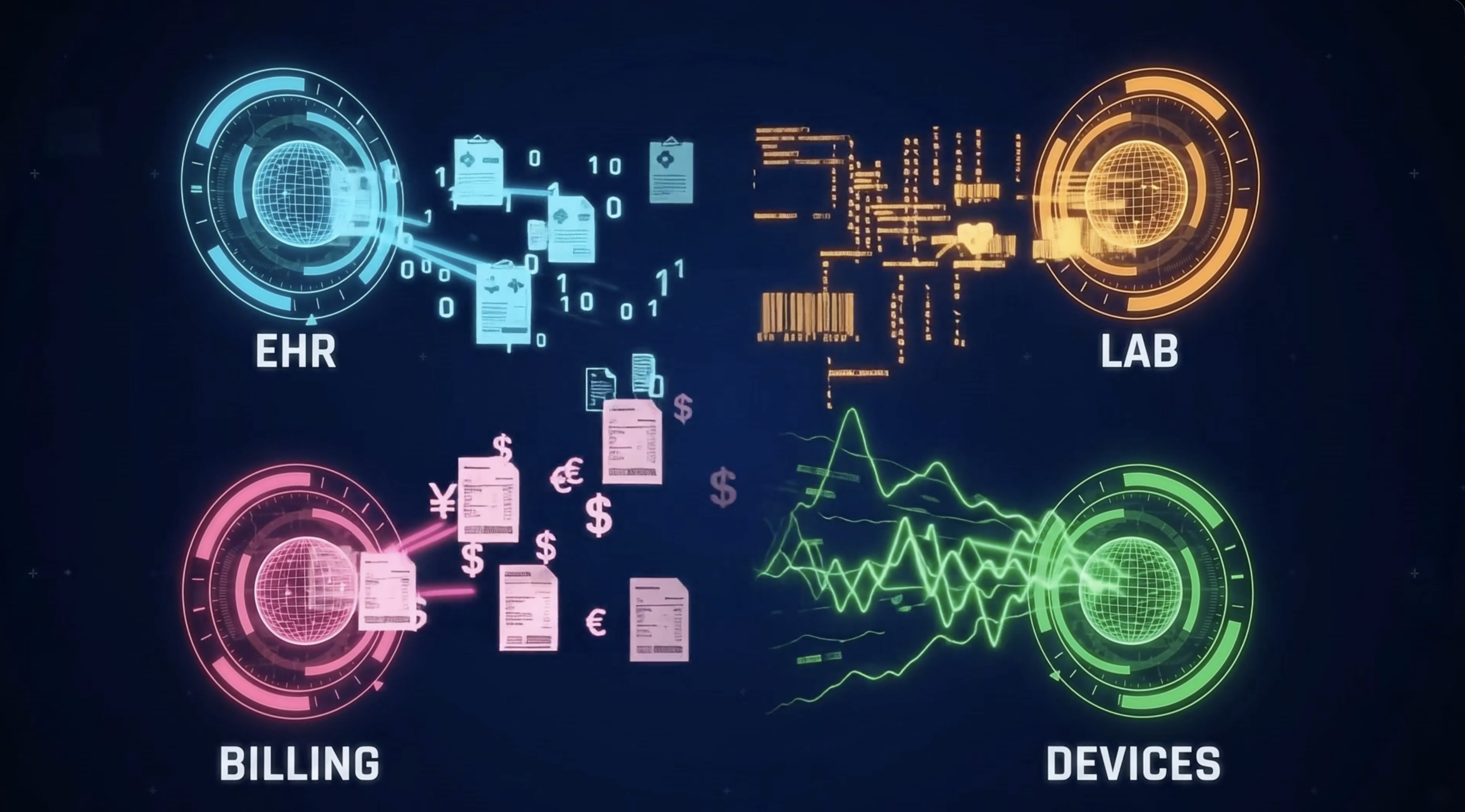
At its core, customer data integration involves combining data from different sources to provide a unified view. These sources may include databases, applications, cloud platforms, and more. The objective is to ensure that disparate data sets work harmoniously, breaking down data silos and enabling a comprehensive understanding of information.
Significance of Data Integration in Business
Informed Decision-Making
It enables organizations to consolidate information from diverse sources, providing a holistic view for decision-makers. This facilitates data-driven decision-making, a critical aspect of staying competitive in today’s business landscape.
Operational Efficiency
Siloed data can lead to inefficiencies and errors. Integration streamlines processes by ensuring data flows seamlessly between systems, reducing manual interventions and enhancing overall operational efficiency.
Improved Customer Experience
For businesses dealing with customers, integrated data ensures a unified customer view. This leads to improved customer interactions, personalized services, and increased satisfaction.
How Data Integration Works?
It involves several key steps to ensure a smooth and cohesive process:
Data Extraction
The first step is to extract data from various sources. This can include databases, applications, APIs, and more. Extraction methods vary based on the source systems and the type of data.
Transformation
Once extracted, the data often needs to be transformed to ensure consistency and compatibility. This may involve cleaning, formatting, and structuring the data to fit the target system.
Loading
The transformed data is then loaded into the target system. This could be a data warehouse, a business intelligence platform, or any other destination where integrated data is utilized.
Validation
It processes include validation steps to ensure data accuracy and integrity. This involves checking for errors, inconsistencies, or missing information.
Automation and Real-Time Integration
Modern integration often involves automation, allowing for real-time or near-real-time integration. Automation reduces manual efforts and ensures that data is always up-to-date.
Challenges in Data Integration
While this offers immense benefits, it comes with its set of challenges, including:
Data Quality
Ensuring the quality of integrated data is crucial. Inaccurate or inconsistent data can lead to faulty insights and decision-making.
Security Concerns
Integrating data from various sources raises security concerns. Implementing robust security measures is essential to protect sensitive information.
Compatibility Issues
Different systems may use different data formats and structures. Compatibility issues can arise during integration, requiring careful handling.
Vorro’s as a Pioneer in Data Integration Space
Vorro understands the complexities of data integration and offers solutions that address these challenges. The EiPaaS solution by Vorro acts as a BridgeGate, connecting disparate systems seamlessly and ensuring a unified data ecosystem. With scalability, flexibility, and reliability as its key features, Vorro’s EiPaaS empowers businesses to confidently navigate the complexities of data integration.
Conclusion
Integration is a cornerstone of modern business operations. It enables organizations to break down data silos, make informed decisions, and operate with greater efficiency. Understanding the intricacies of data integration and leveraging solutions like Vorro’s EiPaaS is essential for businesses aiming to harness the full potential of their data assets. As data plays a central role in business success, mastering the art of data integration becomes a strategic imperative for sustained growth and innovation.