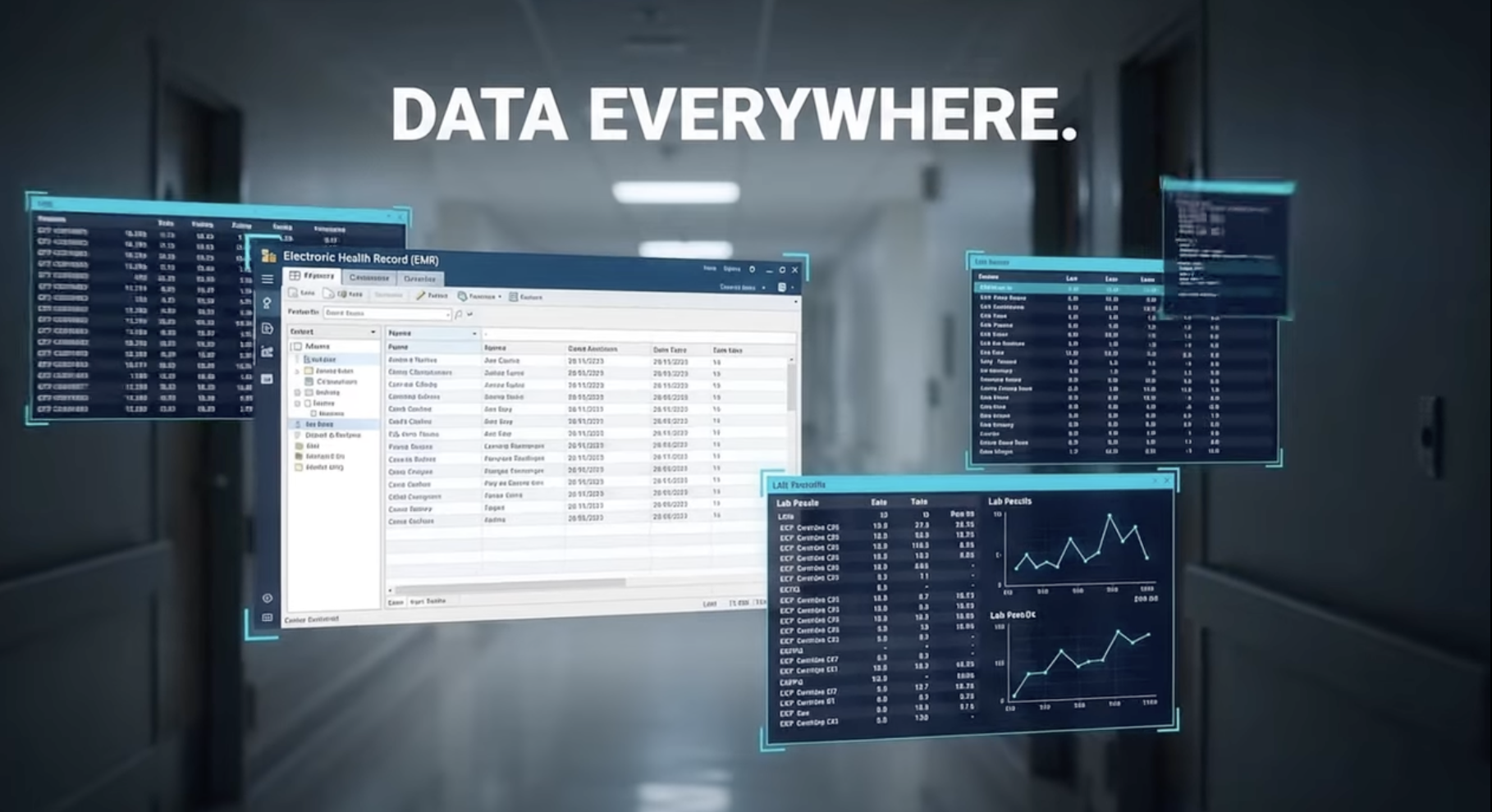

Everyone expects integration to keep workflows smooth, but the financial consequences of data errors are often overlooked. In healthcare, even a small data handoff issue can quietly contribute to significant financial leakage if left unaddressed.
Why Integration Errors Cost More Than You Think
It doesn ‘t take a major outage just subtle, ongoing issues:
- Eligibility mismatches: Claims denied because payer data didn’t sync correctly.
- Duplicate records: Billing errors when the same patient exists in multiple systems.
- Missing attachments: Lab results or notes not linked to claims, causing payment delays.
We saw one health network lose almost 7% of their monthly payment volume because eligibility data wasn ‘t syncing in real time. By the time staff spotted the issue, numerous claims were already denied.
Why These Errors Go Unnoticed
Most financial leaders don ‘t see integration issues directly. They only see the end result: denials, delays, and increasing costs for rework. Since the errors rarely trigger system alerts, they are often misdiagnosed as “billing problems” instead of fundamental integration failures.
What Smart Teams Prioritize
The smartest healthcare organizations treat integration as a financial safeguard, not just an IT task. Here are a few ways they close these gaps:
- Automated Reconciliation: Ensures claims data matches across all systems before submission.
- Real-time Syncing: Prevents outdated payer information from reaching the billing department.
- Proactive Alerts: Flag mismatches internally before claims are submitted.
One client reduced claim denials by 30% in just three months after shifting from manual fixes to automated, integration-first validation.
The Takeaway
Integration is about enabling reliable data flow and protecting operational efficiency. The true cost of ignoring data integrity isn’t just measured in system downtime, but in delayed payments, avoidable denials, and overall staff frustration.
Who We Are
We help healthcare tech teams manage integration complexity.
Each week, we simplify the challenges behind the scenes-so you can launch faster and scale smarter.
Fully managed EiPaaS. Built for healthcare. 👉 vorro.net

Akshita is a Senior Content Writer and Marketer with over a decade of experience crafting narratives that convert, rank, and build lasting brand authority. She has worked across SaaS, FinTech, HealthTech, and Education spaces, delivering everything from HIPAA-compliant medical content to multilingual campaigns for the International Labour Organization, United Nations. Her content has reached audiences across the globe, and she has worked for Fortune 500 brands, global agencies, and startups alike. Fluent in English, Spanish, and German, Akshita brings a rare cross-cultural edge to brand communication. A literature graduate from Delhi University, she balances strategic thinking with a storyteller's instinct, but when she isn’t architecting content roadmaps, she channels her creativity into poetry and painting or dedicates her time to caring for stray animals - pursuits she credits for making her a more empathetic and perceptive communicator.