In the rapidly evolving landscape of modern business, the ability to adapt to change is a key determinant of success. As organizations strive for innovation and efficiency, the role of integration solutions becomes increasingly critical. With Vorro‘s easy integration models, we can delve into the significance of Flexible Integration Platforms and their pivotal role in supporting businesses as they navigate and embrace change.
Understanding Flexible Integration Platforms with Vorro
Flexible Integration Platforms are the backbone of modern business operations, and Vorro offers dynamic solutions that seamlessly connect disparate systems, applications, and data sources. These platforms are designed to evolve with the changing needs of businesses, providing a robust framework for integration that goes beyond mere connectivity.
The Imperative of Flexibility in Integration
Embracing Change with Vorro’s Flexible Integration Platforms
In today’s business environment, change is the only constant. From shifts in market dynamics to evolving customer expectations, businesses must adapt swiftly to stay competitive. It play’s a crucial role in facilitating this adaptation by offering solutions that can be easily configured and modified to meet changing requirements.
Integration Solutions for Businesses: A Holistic Approach
Flexible Integration Platforms such as Vorro, often referred to as integration solutions for businesses, offer a holistic approach to connectivity. They go beyond basic data exchange, providing a comprehensive framework that aligns with the strategic goals of an organization. This adaptability ensures that as business needs change, the integration platform can be adjusted to accommodate new technologies, applications, and workflows.
The Flexibility Advantage: Integrating Your Business Seamlessly
Agility in Action: Responding to Market Dynamics
The business landscape is dynamic, with market trends and consumer preferences evolving rapidly. Flexible Integration Platforms empower organizations to respond swiftly to these changes. Whether integrating new e-commerce platforms, updating CRM systems, or incorporating IoT devices, the flexibility inherent in these platforms ensures a seamless integration process.
Customization for Diverse Business Models
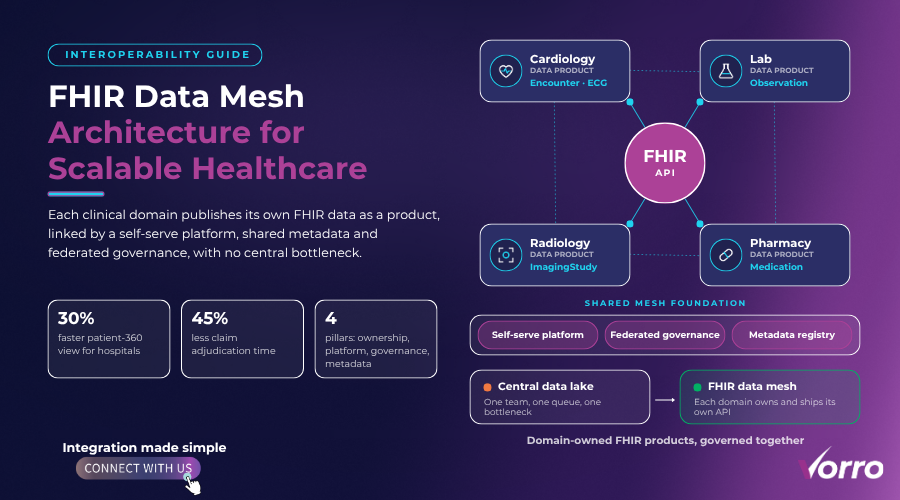
Every business is unique, and so are its integration requirements. Flexible Integration Platforms offer a high degree of customization, allowing organizations to tailor their integration solutions to align with their specific business models. This customization extends to diverse industries, from healthcare to finance, ensuring that the platform can adapt to the unique challenges of each sector.
The Key Features of Flexible Integration Platforms
Scalability: Growing with Your Business
Scalability is a hallmark of Flexible Integration Platforms. As businesses expand, these platforms can effortlessly scale to accommodate increased data volumes, additional applications, and a growing user base. This scalability ensures that the integration solution remains a valuable asset as the organization evolves.
Real-time Connectivity: Enhancing Decision-Making
In the fast-paced world of business, real-time connectivity is a game-changer. It enable organizations to access and utilize data in real time, enhancing decision-making processes. This capability is especially crucial in industries where timely insights can make the difference between success and stagnation.
Vendor Agnosticism: Future-Proofing Your Integration
The future is unpredictable, and so are the technologies that businesses may adopt. It embrace vendor agnosticism, ensuring compatibility with a wide array of applications and systems. This future-proofing approach safeguards businesses against the risk of being tied to a specific vendor’s ecosystem.
Key Takeaways
Adapting to change is not just a business strategy; it’s a survival imperative. It stands at the forefront of this imperative, providing organizations with the tools they need to integrate their business seamlessly. From agility in responding to market dynamics to customization for diverse business models, these platforms offer a comprehensive solution that aligns with the evolving needs of modern enterprises.
As businesses continue to navigate the complexities of the digital era, the adoption of Flexible Integration Platforms becomes not just an option but a strategic necessity. By embracing the imperative of flexibility in integration, organizations position themselves to thrive in a world where change is not a challenge but an opportunity for growth and innovation.
Embrace Change with Vorro ‘s Flexible Integration Platforms – Explore Seamless Integration Solutions Today!
Frequently Asked Questions
What is a flexible integration platform?
A flexible integration platform connects disparate systems using adaptable workflows, APIs, and pre-built connectors. It lets organizations reconfigure data flows as needs change – adding partners, meeting new compliance requirements, or adopting new technologies – without rebuilding core infrastructure from scratch.
How does Vorro support evolving integration needs?
Vorro provides managed healthcare integration services built on flexible middleware, supporting HL7, FHIR, and EDI standards. Its guided implementation model and ongoing optimization services reduce IT burden, letting organizations scale or pivot integrations quickly as clinical or operational requirements evolve.
How do flexible integration platforms compare to point-to-point integrations?
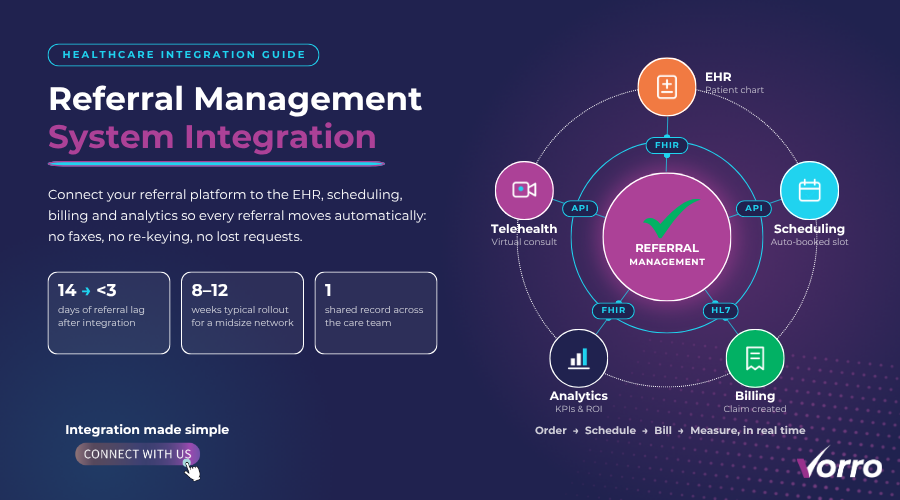
Point-to-point integrations create rigid, hard-to-maintain connections between two systems. Flexible integration platforms use a hub-and-spoke or API-led model, so adding a new system requires one new connection rather than rebuilding every existing link — dramatically reducing cost and time-to-value.
What integration standards should a flexible platform support?
A robust platform should support HL7 v2.x, HL7 FHIR R4, X12 EDI, DICOM, REST APIs, SOAP, and JSON/XML simultaneously. Multi-standard support is critical for organizations running legacy systems alongside modern cloud applications and needing regulatory compliance across data exchange partners.
Can flexible integration platforms handle real-time and batch data processing?
Yes. Modern platforms handle both real-time event-driven messaging and scheduled batch processing within the same environment. This dual capability is essential for healthcare workflows where urgent clinical alerts require instant delivery while large administrative datasets are processed in overnight batch jobs.
How does a flexible integration platform reduce vendor lock-in?
By using open standards, modular connectors, and API-first design, flexible platforms let organizations swap out individual system connections without replacing the entire integration layer. This preserves investment continuity and gives teams negotiating leverage when renewing vendor contracts or adopting new technology.