Data integration gets a bad name. Many believe that data integration is a boring process that is only important when it comes to archival work or transferring information between multiple sources. What people fail to realize is just how important data integration can be and the information it can reveal.
Retail businesses amass gargantuan amounts of data every day, just through their day-to-day operations. There is hardly enough storage space to hold all of this data, and many retailers – especially small businesses – end up erasing it. However, this data holds one of the most important keys to success.
In the last few decades, technology has become deeply intertwined in the human experience, and retail is no different. Retailers use technology to interact with and better understand consumers, helping them cultivate a unique, tailored experience for each individual customer.
This data is essential to creating a healthy business model that can thrive in today’s consumer climate – a study by IBM found that 62% of retailers reported that leveraging their data and analytics gave their businesses an edge over their competitors. This was a few years ago, if you are not leveraging your data by now, you are behind the curve.
Using data to your advantage is not difficult, but it requires data integration to get there. For some reason, many retailers still balk at the idea of data integration, but they shouldn’t have to!
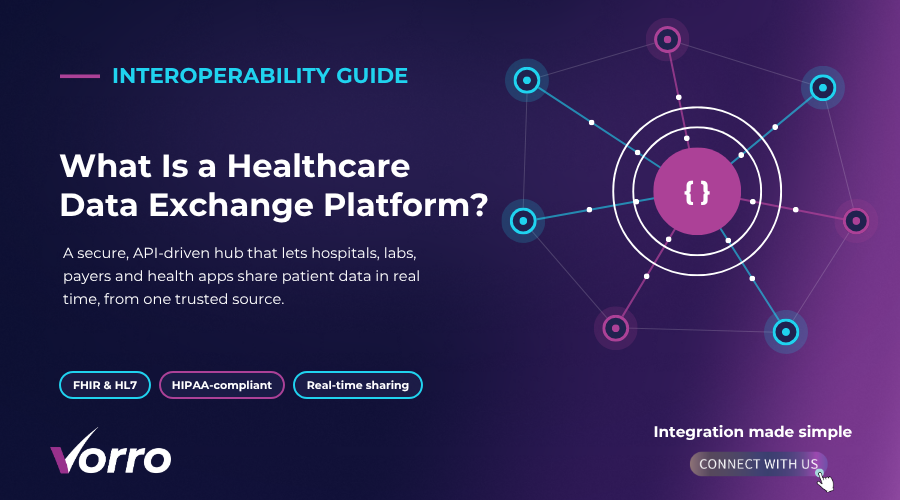
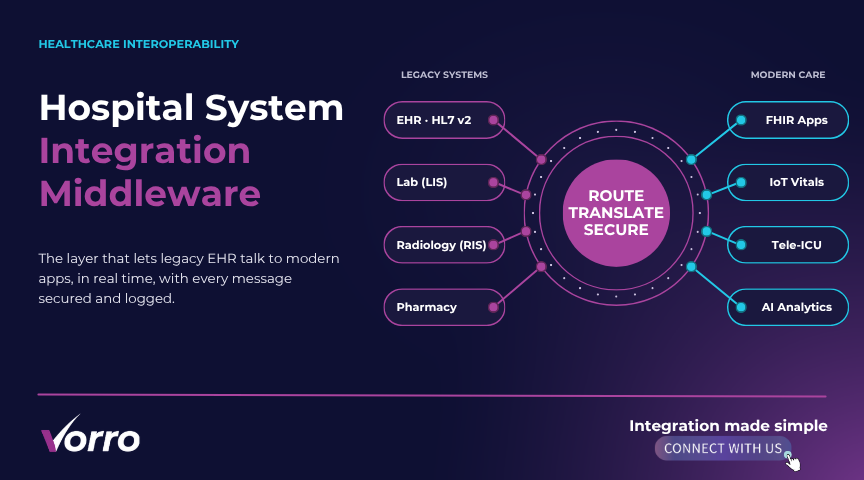
Data integration may sound like a complicated process, but it is simply combining large amounts of data from multiple sources. This data is then altered to fit a specific format that is easily readable. This makes the data more accessible, and retailers can then easily analyze the data and find information that fits their needs. The data integration process is done using specific software that will gather, extract, and transform all of the data required.
The retail industry is no stranger to vast amounts of information being logged from many different places, such as multiple departments in a store, factories, warehouses – the list goes on. Unfortunately, this information is useless if it cannot be accessed in one place in an easily readable format. Many retailers are using old, out-of-date operating systems that simply cannot handle the data integration task load. Others may be using multiple operating systems that are not compatible with one another, and therefore cannot communicate data.
Retail companies will see an improvement by being able to access all of their data – regarding sales, consumers, and day-to-day operations – that has been seamlessly integrated in order to give retailers a bird’s eye view of their company.
So what can retailers do with their data after it has been integrated?
Frankly, the possibilities are limitless. With masses of organized, understandable data at their fingertips, retailers will be able to:
- Better understand their consumer’s shopping habits
- Identify what campaigns have been successful and which have not
- Analyze shopping trends and plan accordingly
This is just the tip of the iceberg, folks. While many marketers and those working in the healthcare field are already acutely aware of the importance of data integration, the rest of the world needs to step up.
What can your data do for you?
At Vorro, we provide a framework for companies looking to leverage todays technologies. Our data modeling and processing techniques help streamline activities within your company. Does the current environment have you looking for ways to improve, scale or increase current productivity and processes? Take advantage now and start building for the future. Speak with the data integration specialist at Vorro. Feel free to request a consultation or demo on our website.