In an era where the digital landscape is expanding at a breakneck pace, the concept of interoperability has emerged as a critical player. Whether it’s businesses streamlining operations or consumers managing their daily activities, the ability to exchange and access diverse data types is indispensable. In the United States, where digital innovation is a cornerstone of the economy, understanding and harnessing the power of interoperability solutions for any industry is more than a buzzword-it’s a necessity.
Decoding Interoperability: A Multifaceted Digital Necessity
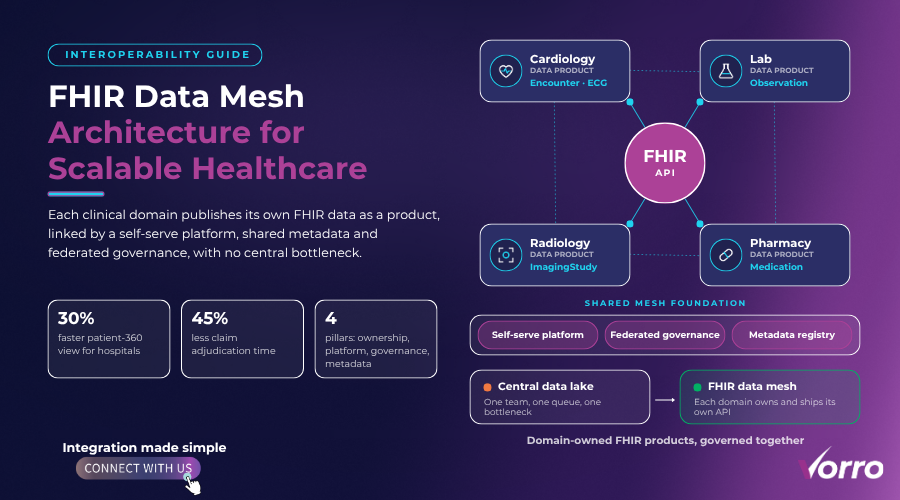
It goes beyond the tech jargon. It’s about different systems and applications, originally designed in isolation, coming together and communicating effectively. This interaction is what makes interoperability a linchpin in today’s interconnected world, especially in sectors like healthcare, where interoperability is not just beneficial but essential for optimal patient care.
Interoperability’s Diverse Layers: Syntactic, Structural, and Semantic
Interoperability is more than just one thing. It has different parts:
- Sharing Data Clearly: Imagine two different languages talking through a translator. In the digital world, this means systems, even if they speak different “languages,” can share information well.
- Following Rules: Like how languages have grammar rules, there are rules in digital systems. This ensures that when data is shared, the system receiving it can understand it properly.
- Making Data Meaningful: This step goes a bit further. It ensures that systems not only share data but also understand it in the right way, making the information more useful.
Why Interoperability is More Than Just a Tech Trend
- Being Adaptable: In the quick-changing digital world, especially in the U.S., systems that use interoperability can easily adjust and respond to changes, making sure that data can keep flowing without interruptions.
- Boosting Productivity: With interoperability, information moves smoothly, getting rid of delays and speeding up how decisions are made.
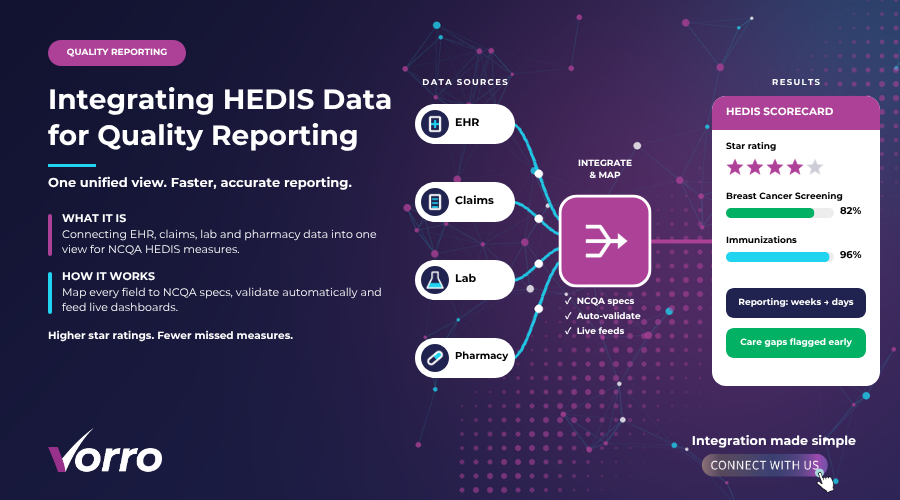
- Putting Data Together: Bringing all data together, no matter where it comes from, is super important for making smart decisions.
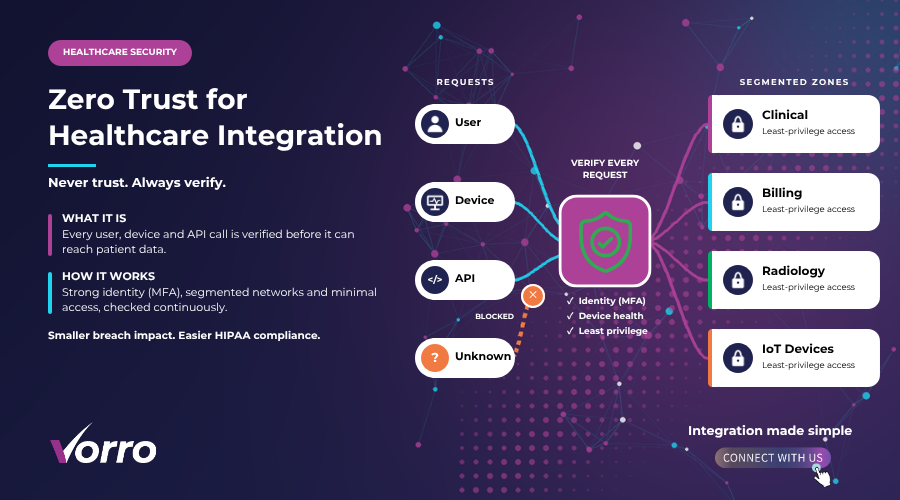
- Being Safe and Cost-Effective: It cuts down on manual work, making it less likely for data breaches to happen. It also helps save money by getting rid of unnecessary things.
Interoperability Across Industries
It is crucial in various fields, playing a key role in improving services:
- Government: Adopting interoperability helps government agencies streamline processes, making communication within and between departments more effective. This ultimately leads to better public service.
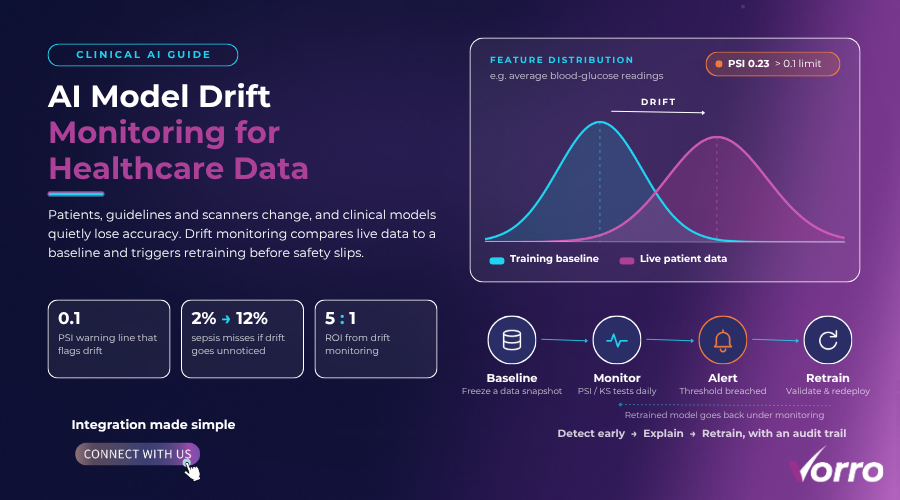
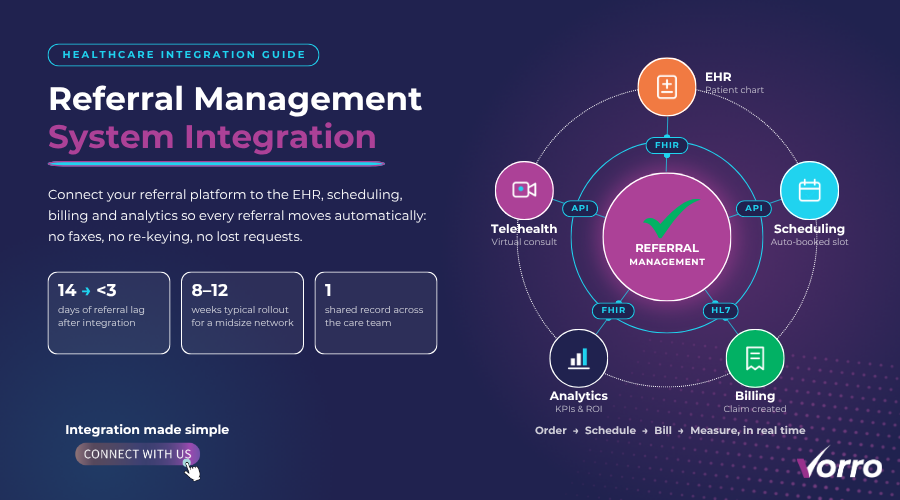
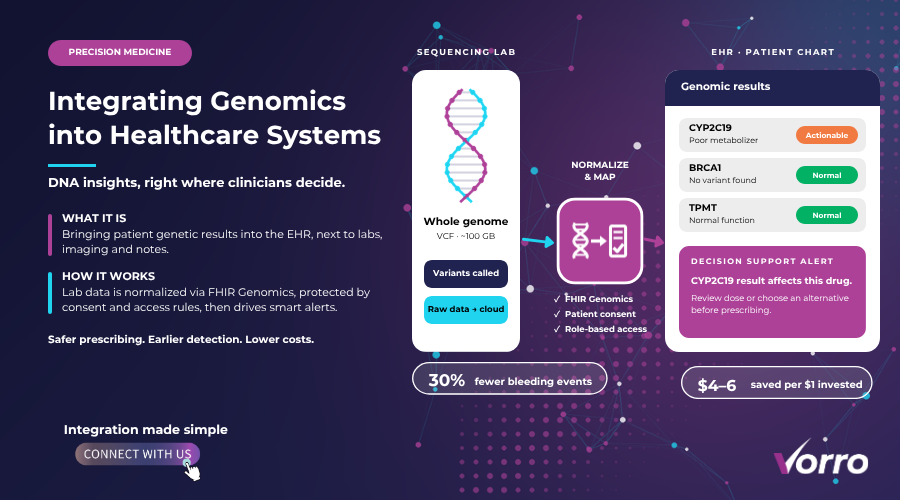
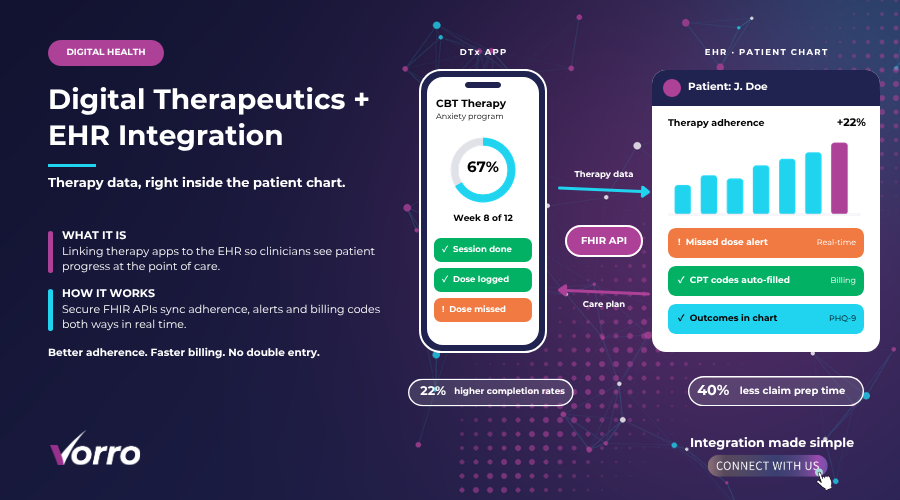
- Healthcare: It is vital for healthcare professionals who need quick access to comprehensive patient data. It ensures that doctors, nurses, and staff can view updated records, from diagnostics to treatments, fostering enhanced patient care.
- Telecom: In the world of communication, interoperability is essential. It ensures that updates, configurations, and network details are uniformly accessible, ensuring consistent service.
- Emergency Response: In emergencies, where seconds matter, real-time data exchange is pivotal. It ensures that all emergency response units receive timely and accurate information, maximizing their effectiveness.
- Software Development: In the software world, where different components may use different languages or platforms, interoperability is vital. It ensures that these components work cohesively, leading to better software products that effectively meet user needs.
Interoperability: Business’s Digital Lifeline
Grasping the importance of interoperability is key. As a company offering Enterprise Integration Platform as a Service (EiPaaS), Vorro understands the need for safe and smooth data movement in today’s business world. It’s not only about being at the forefront of the digital competition; it’s also about making sure cybersecurity is a crucial part of your operations. Choosing interoperability solutions, especially in areas like healthcare, isn’t just a smart business move; it’s a basic need for growing and staying strong.
Embracing Interoperability with Vorro
In this age of digital connections, the real question isn’t whether your business should embrace interoperability but how swiftly and effectively you can make it happen. With Vorro’s EiPaaS solutions, you’re not just bringing in technology; you’re investing in a future where data moves securely and smoothly, propelling your business ahead. It’s time to welcome the interconnected future with Vorro.