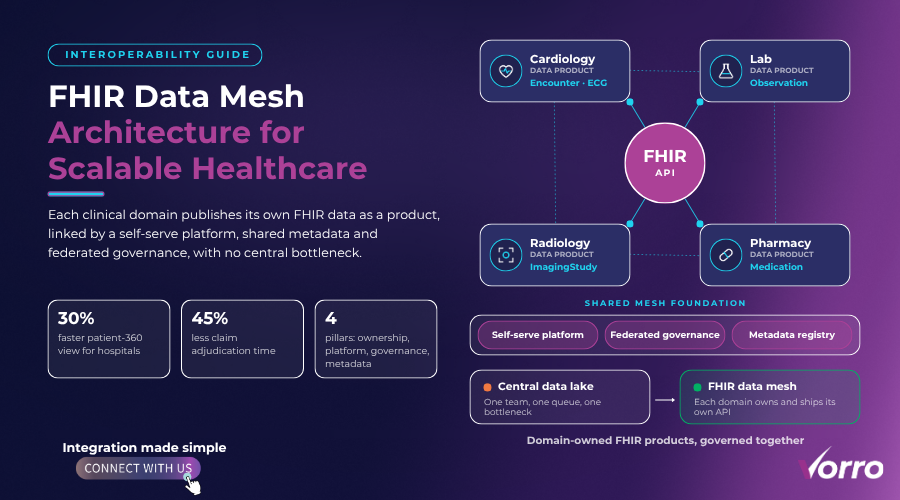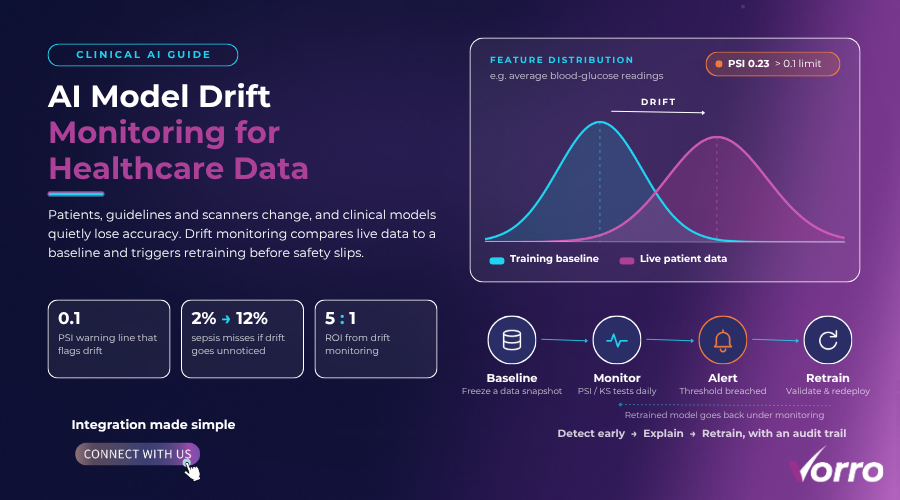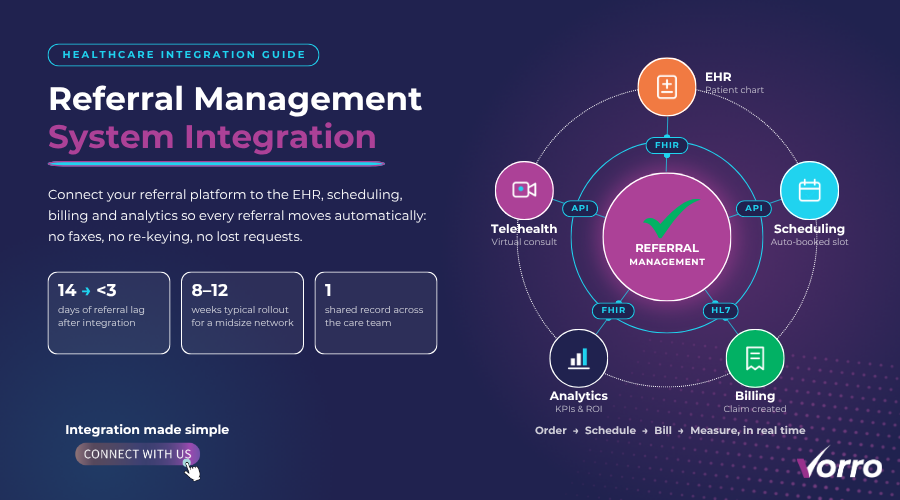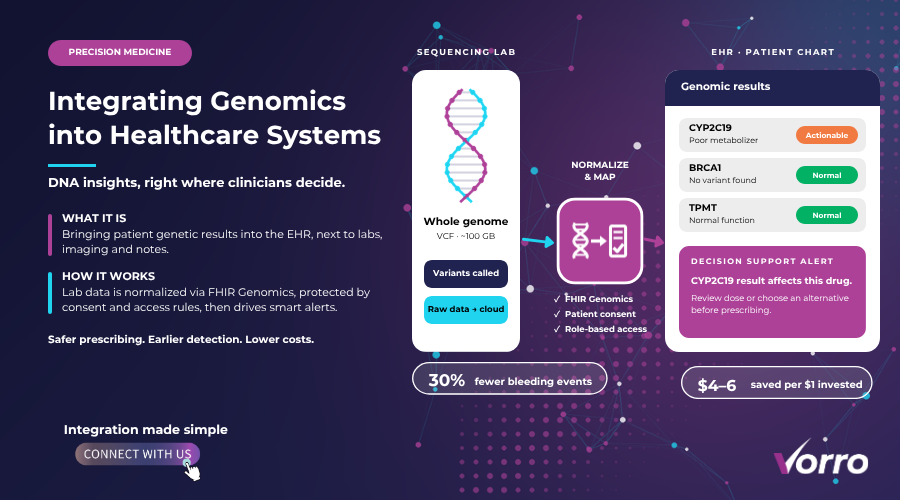
Healthcare providers are increasingly turning to technology to improve patient care. EiPaaS in Healthcare is at the forefront of this transformation, offering a practical solution for integrating different healthcare systems. It simplifies complex tasks, allowing providers to concentrate on patient care. It stands out because it brings everything together in one place, making it easier for healthcare professionals to do their jobs. Learn more about how EiPaaS is transforming healthcare at Vorro’s BridgeGate Healthcare page.
The Real Benefits of EiPaaS for Healthcare
The advantages of using EiPaaS are significant. It cuts costs and enhances patient outcomes by making healthcare delivery more straightforward. By bringing together various systems, It plays a crucial role in providing comprehensive patient care. Discover the full range of EiPaaS benefits at Vorro’s BridgeGate Enterprise Integration Platform as a Service page.
Addressing the Challenges: Implementing EiPaaS in Healthcare
Overcoming Obstacles in EiPaaS Adoption
Adopting Enterprise Integration Platform as a Service in healthcare can be challenging. Issues like integrating with old systems and training staff are common. However, these challenges can be managed with a thoughtful approach, leading to a more connected and efficient healthcare system.
Solving EiPaaS Implementation Issues
Implementing an EiPaaS Solution requires planning and careful execution. Concerns about data security and system compatibility are common. Making sure patient data is safe and systems work well together is crucial for a successful Enterprise Integration Platform as a Service implementation in healthcare.
The Future with AI and EiPaaS in Healthcare
Enhancing EiPaaS Solutions with AI
AI is changing the game for healthcare providers using EiPaaS. Combining AI with EiPaaS opens up new possibilities in patient care and operational efficiency. AI can process large amounts of data quickly, offering insights that help in making decisions and tailoring patient care.
Future Trends: Healthcare with AI and EiPaaS
The future of healthcare is shaped by the combination of AI and Enterprise Integration Platform as a Service. This partnership is set to transform the industry, making services more accessible and efficient. Embracing AI-enhanced EiPaaS solutions is a key step towards the future of healthcare.
Getting Started with EiPaaS: For Healthcare Providers
Planning Your EiPaaS Journey
Starting with EiPaaS requires a clear strategy. Healthcare providers need to evaluate their current systems, determine integration needs, and plan for a smooth transition to Enterprise Integration Platform as a Service. This preparation is essential for success.
Partnering with the Right EiPaaS Provider
Choosing the right EiPaaS provider is crucial. A good provider understands the specific needs of healthcare providers and offers solutions that meet these needs. Working with an experienced EiPaaS provider can lead to innovative solutions that truly improve healthcare delivery.
Conclusion: Step into the Future with EiPaaS
Integrating AI and EiPaaS is essential. As we tackle the challenges and seize the opportunities, it’s clear that Enterprise Integration Platform as a Service is vital for advancing healthcare services.
Ready to Transform Healthcare?
Ready to take the next step in healthcare with EiPaaS? We at Vorro are here to help. Our Enterprise Integration Platform as a Service solutions are tailored for healthcare providers, ensuring an effective transition.
Book a Demo with Us!
Want to see how our EiPaaS solutions can change your healthcare services? Book a demo with us today and find out how Enterprise Integration Platform as a Service can revolutionize healthcare delivery. Let’s work together to shape the future of healthcare!