In the fast-paced digital business world, connecting various systems and applications efficiently is more crucial than ever. This is where Integration Platform as a Service (iPaaS) comes into play. iPaaS offers a powerful solution for businesses looking to streamline their operations. It integrates diverse applications and data sources, boosting efficiency, decision-making, and customer experiences.
What is iPaaS?
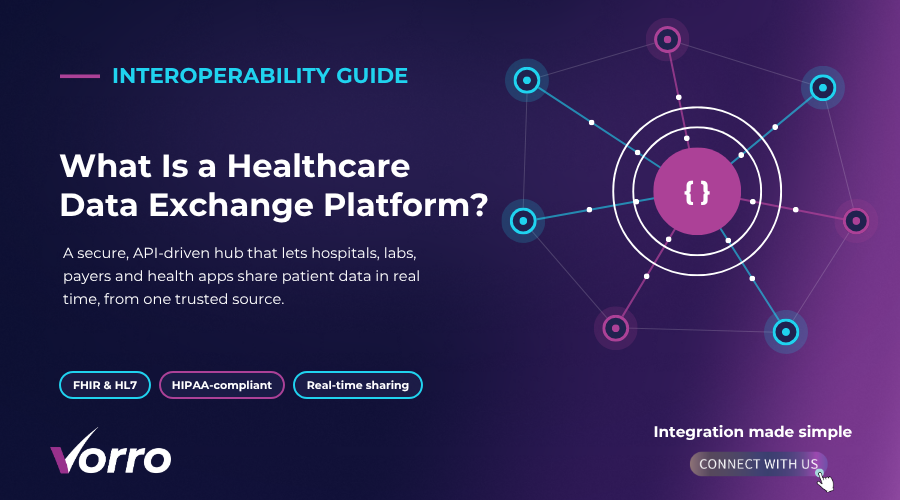
At its core, iPaaS is a suite of cloud services enabling businesses to develop, execute, and govern integration flows between disparate applications. Unlike traditional data integration methods, iPaaS provides a more flexible, scalable, and user-friendly approach to integration. It’s designed to handle various integration challenges, from connecting cloud applications to managing data flows between enterprise systems.
As businesses evolve and adopt more cloud-based services, the importance of a robust iPaaS solution cannot be overstated. It’s not just about connecting different systems; it’s about doing so to support the dynamic needs of modern enterprises, ranging from small startups to large corporations.
Top 12 Reasons Why iPaaS is Essential for Modern Businesses
1. Simplified Business Processes
iPaaS offers an easy-to-understand solution, making managing multiple tools and databases easier from a single platform. This centralized approach eliminates the need for complex, custom-made connections, simplifying the integration process.
2. Consistent and Updated Data
With iPaaS, businesses ensure their data is always current across all systems. This synchronization is crucial for accuracy in areas like sales, customer service, and eCommerce, where up-to-date information is critical to success.
3. Increased Productivity
iPaaS improves collaboration by connecting different applications and data sources. This leads to smoother, more efficient workflows, enabling teams to access and share information quickly and, thus, work more productively.
4. Legacy System Integration
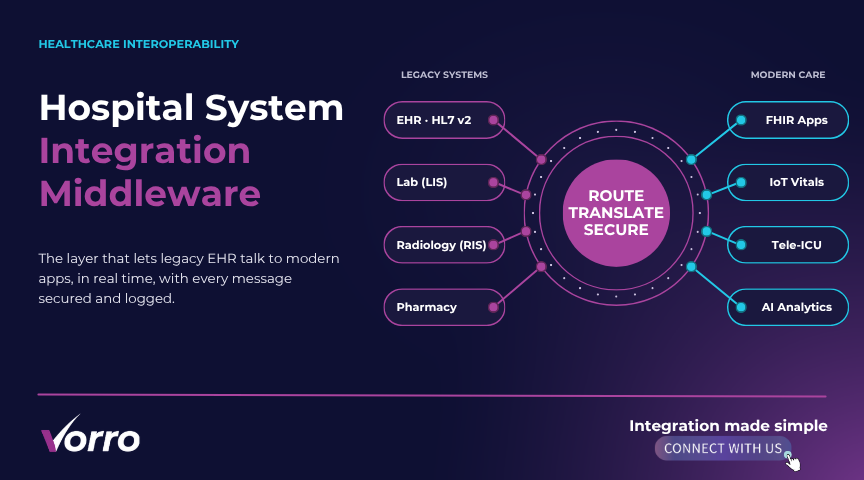
iPaaS bridges essential legacy systems and new cloud technologies. This integration preserves the value of existing systems while introducing enhanced functionality, ensuring continuity and efficiency.
5. Employee Satisfaction
Reducing repetitive manual tasks, iPaaS allows employees to focus on more meaningful work. This shift improves not only job satisfaction but also employee engagement and efficiency.
6. Economic Efficiency
iPaaS reduces the need for specialized development resources and hardware investments. Its subscription-based model simplifies budgeting and financial planning, making it a cost-effective solution for businesses.
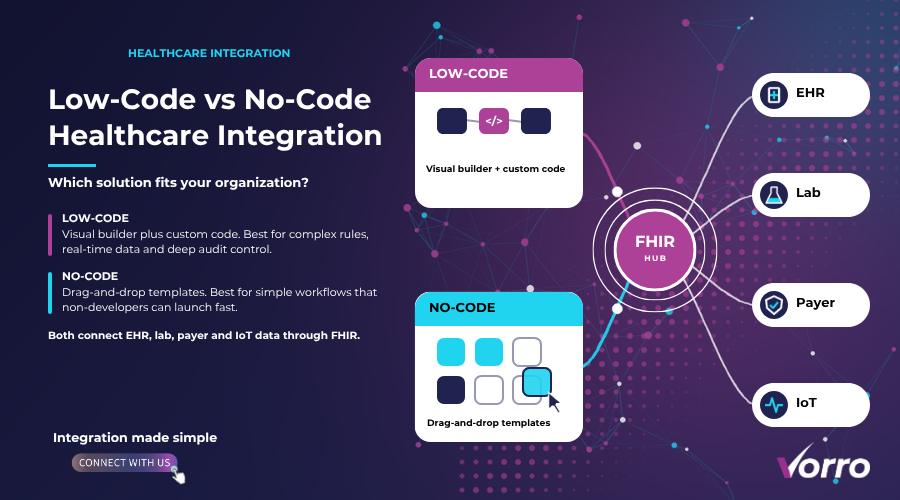
7. Agility and Low-Code Development
iPaaS’s flexible environment enables businesses to deploy integrations quickly. This flexibility is crucial for staying competitive in rapidly changing markets and taking advantage of new business opportunities.
8. Enhanced Customer Experience
iPaaS improves the overall customer experience by efficiently integrating back-end systems. It enables businesses to provide timely, relevant, and personalized interactions, which is essential in today’s digital commerce landscape.
9. Informed Decision-Making
Access to real-time data is critical for strategic decision-making. iPaaS enables quick and accurate data analysis, facilitating more informed and effective business decisions.
10. Robust Security and Compliance
Security is a top priority for every business. iPaaS provides vital security measures and compliance features, ensuring data is transferred securely and meets regulatory standards.
11. Scalability
iPaaS solutions are inherently scalable and capable of adapting to a business’s growing needs. This scalability ensures businesses can expand their integration capabilities as they grow without significant infrastructure changes.
12. Support for Big Data and IoT
The growing importance of big data and IoT in business makes iPaaS indispensable. Its capability to manage large volumes of data from diverse sources, including IoT devices, is critical for businesses using data analytics.
Conclusion
In today’s rapidly evolving digital environment, iPaaS is a fundamental tool for businesses seeking to streamline operations, enhance customer experiences, and make informed decisions. From simplifying complex business processes to ensuring robust data security, the benefits of iPaaS are clear and diverse.
Vorro’s iPaaS solutions specifically cater to these needs, offering an intuitive, scalable, and secure platform for businesses of all sizes. With Vorro, you can expect a streamlined approach to integrating various systems, improving efficiency, and providing a better overall experience for your employees and customers. Whether you’re a small startup or a large corporation, Vorro’s iPaaS solutions are designed to grow with your business, adapt to your changing needs, and help you stay ahead in the competitive world of eCommerce and beyond.
If you’re looking to enhance your business’s integration capabilities and take advantage of the myriad benefits of iPaaS, don’t hesitate to reach out to Vorro for a personalized consultation. Discover how Vorro can help your business meet and exceed its digital transformation goals.