
Healthcare Data Insights
Practical guides, integration best practices, and healthcare data strategy — written by engineers and strategists who live in this space every day.
Showing 49–72 of 361 articles
Page 3 of 16

Healthcare Data Integration Tools: Platforms, Architecture & How to Choose
Learn what healthcare data integration tools do, key standards (FHIR/HL7), core features, and how to choose the right platform for interoperability.
Read more
Healthcare ETL Tools: How to Choose the Right Platform for Secure, Compliant Data Pipelines
Compare healthcare ETL tools, architectures, and connectors to build secure, compliant pipelines for EHR, claims, labs, and real-time analytics.
Read more
Key Features to Look for in Healthcare Data Integration Software
You are sitting on a greater amount of clinical, operational and financial data than ever before. However, in the absence of the appropriate healthcare data integration software, that data will remain trapped in silos, slow down decision-making and compromise results. The correct platform integrates your systems and standardizes your information, and provides each stakeholder with … Read more
Read moreBuild vs Buy Healthcare Data Integration Software
You have never sat on more clinical and operational data than you are currently sitting on, but it is in silos. Each has a bit EHRs, revenue systems, lab systems, pharmacies, CRMs, care management tools, and external partners. You require all of it to collaborate so that you can achieve better results and performance. Healthcare … Read more
Read moreReal-Time Healthcare Analytics Integration
Healthcare organizations are under continuous pressure to achieve more out of less. You strike a balance between increasing patient throughput, manpower constraints, compression of the margins and regulatory pressures. Information must assist in acting quickly in real time, but is usually in locked-up systems or held at nightly batches. The use of real-time healthcare analytics … Read more
Read moreHealthcare Data Transformation for a Value-Based Care Model
There is a pressure on you to deliver better results, make it easier for clinicians, and maintain financial performance at a stable level. Value-based care models are said to offer a match between quality and cost; however, your data is isolated, stored in different formats, and the systems do not communicate with each other. Healthcare … Read more
Read moreEnterprise Healthcare Data Transformation Framework
On the way to a fully digital ecosystem, healthcare executives have to face a cruel truth: we have already spent billions on digitizing medical records and yet the result is just a huge amount of “dumb data”. As a Healthcare CIO in 2026, you would be managing a landscape broken into pieces where clinical data … Read more
Read moreHL7 Integration for Real-Time Clinical Data Exchange
The “integration gap” in healthcare is no longer only a technical hurdle but rather a clinical risk as well. Although almost 92% of hospitals are capable of sending data electronically, only 43% of them regularly integrate this data into their actionable workflows. What should be the main focus of a Healthcare CIO in 2026 is … Read more
Read moreEnsuring Data Quality in HL7-Based Healthcare Systems
In the intense and risky healthcare sector, we frequently refer to “interoperability” metaphorically as a completed journey; a task to be accomplished after the cables have been connected and the messages have started flowing. However, according to any experienced Healthcare CIO, the initial step of their journey ends at the point when they connect two … Read more
Read moreFHIR Data Integration Architecture for Scalable Health Systems
The modern health system has evolved beyond merely a collection of buildings; it is now a large, digital ecosystem that literally ‘breathes’ data. However, for many Healthcare CIOs, this ‘breath’ sounds more like a feeble gasp. Even after investing billions in digital transformation, almost 70% of healthcare data is still locked away in silos or … Read more
Read moreHow AI-Ready EHR Data Improves Clinical Decision Making
The healthcare industry is filled with data, yet there is very little wisdom to act on. Being a Healthcare CIO, you might have taken a lead role in the transition to digital records on a large scale, but still, the benefits of those systems often seem to fall short. We were promised that Electronic Health … Read more
Read moreEHR Data Integration for Population Health Management
The healing CIO no longer just oversees the servers; they plan clinical intelligence from the ground up. However, for a lot of people, the “intelligence” part of that equation is hindered by a disappointing truth: we have plenty of data, but most of it is still locked up in silos. Although we have spent a … Read more
Read moreDesigning Scalable Clinical Data Pipelines for Multi-Hospital Networks
It is a pretty harsh truth that almost 30% of healthcare costs are still related to administrative waste, a large part of which continues to be due to the basic inability of transferring data smoothly between facilities. For a CIO in charge of a network of multiple hospitals, the “interoperability tax” is an expense that … Read more
Read moreHow to Build AI-Ready Clinical Data Pipelines for Enterprise Healthcare Systems
The $2 Trillion Data Paradox in Modern Healthcare The healthcare industry is sitting on a large amount of data that most organizations are not able to utilize properly. We literally spent 10 years digitizing paper records just to realize that we are stuck in a $2 trillion inefficiency gap. For the modern CIO, the crisis … Read more
Read more
How to Evaluate Healthcare Data Security Solutions: Buyer’s Checklist
Introduction: The Compliance Imperative in Healthcare In today’s digitally interconnected healthcare world, data is what keeps patient care going, but at the same time, it is the biggest liability. For Compliance Officers, it’s a daunting task to keep up with the rapidly changing tactics used to steal Protected Health Information (PHI) while being required to … Read more
Read more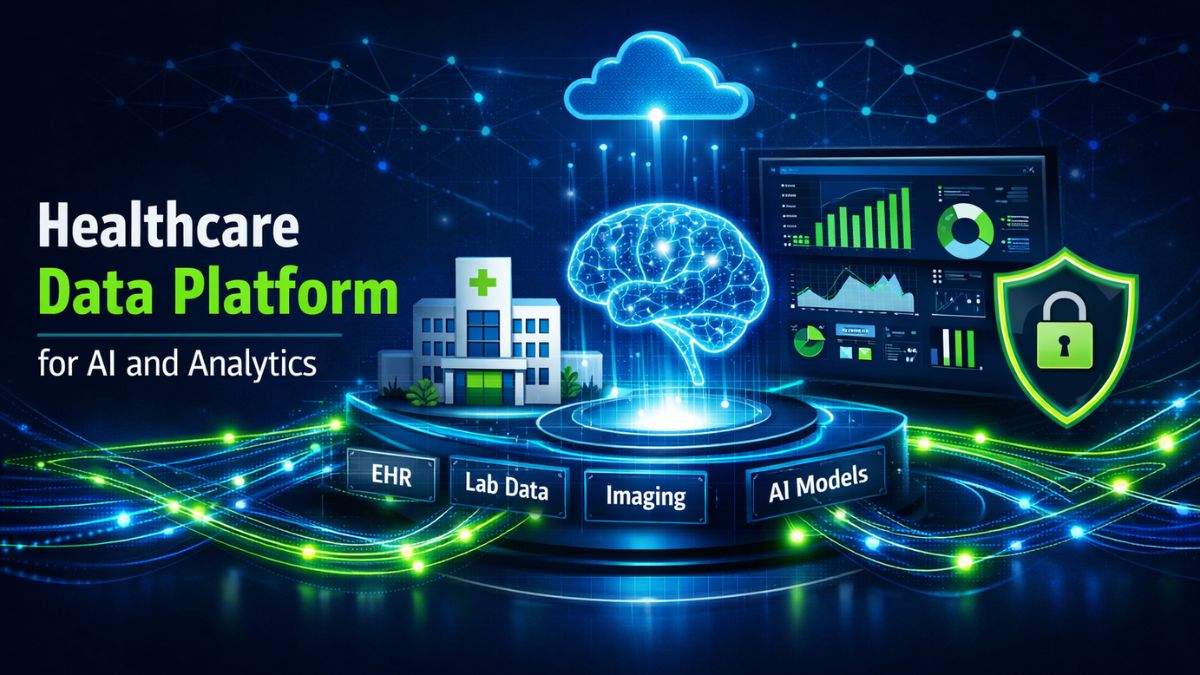
Healthcare Data Platform for AI and Analytics
Any discussion regarding AI practices in healthcare focuses on one fundamental issue. Data. You want to develop AI solutions rapidly. However, old systems, different formats, and data isolated in silos only make things harder and slower. A Healthcare Data Platform is your main tool, a consistent and reliable environment for AI and analytics. It unifies … Read more
Read more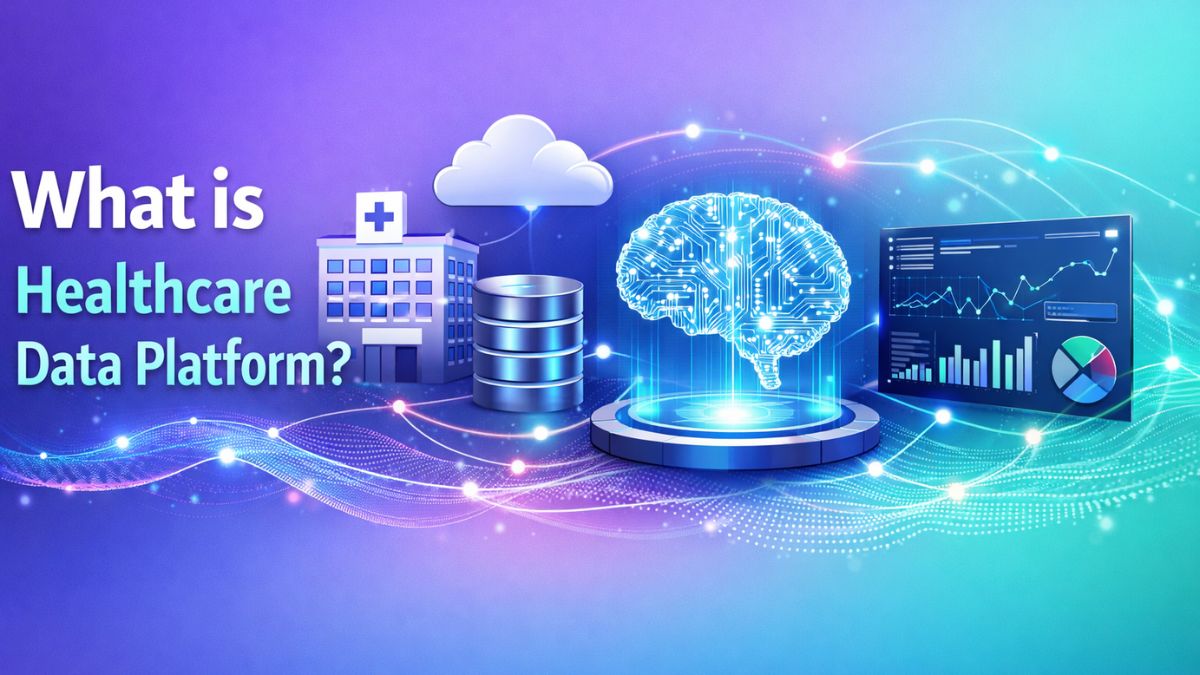
What Is a Healthcare Data Platform?
A Healthcare Data Platform is an integrated environment specially designed to unify clinical, operational, and financial data throughout healthcare organizations. This platform links source systems, standardizes the data, and makes it analytical and AI-ready. It is a system that is used for collecting, organizing, and governing the data obtained from EHRs, claims systems, lab systems, … Read more
Read more
Why your healthcare data pipeline is the foundation for AI and machine learning
You want dependable AI, not mysterious black, box guesses. In healthcare, this means starting with a healthcare data pipeline that treats clinical data as the main asset rather than an afterthought. Every prediction, every alert, every risk score is only as good as what flows through that pipeline and in what way. If your data … Read more
Read more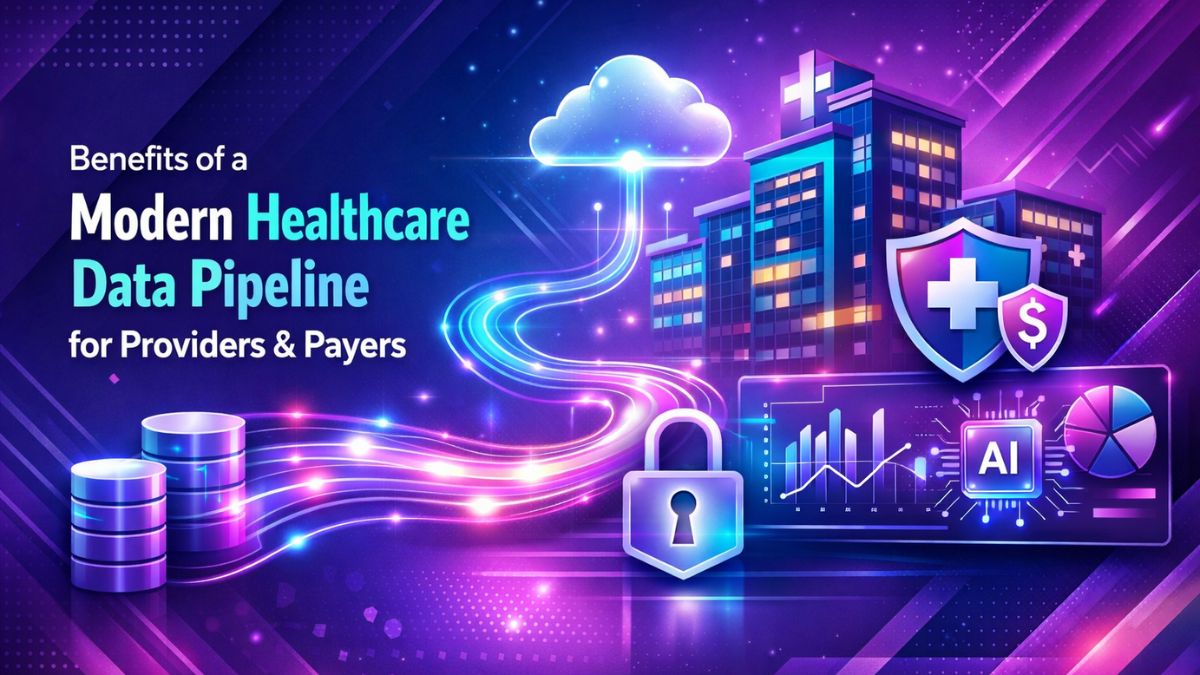
Benefits of a Modern Healthcare Data Pipeline for Providers & Payers
You have access to exponentially more data than ever before, but the realization of this data’s value is often late. A next generation healthcare data pipeline offers you an opportunity to transfer, harmonize, and make use of data rapidly and efficiently. It links the clinical, financial, and operational systems so that the two sides of … Read more
Read more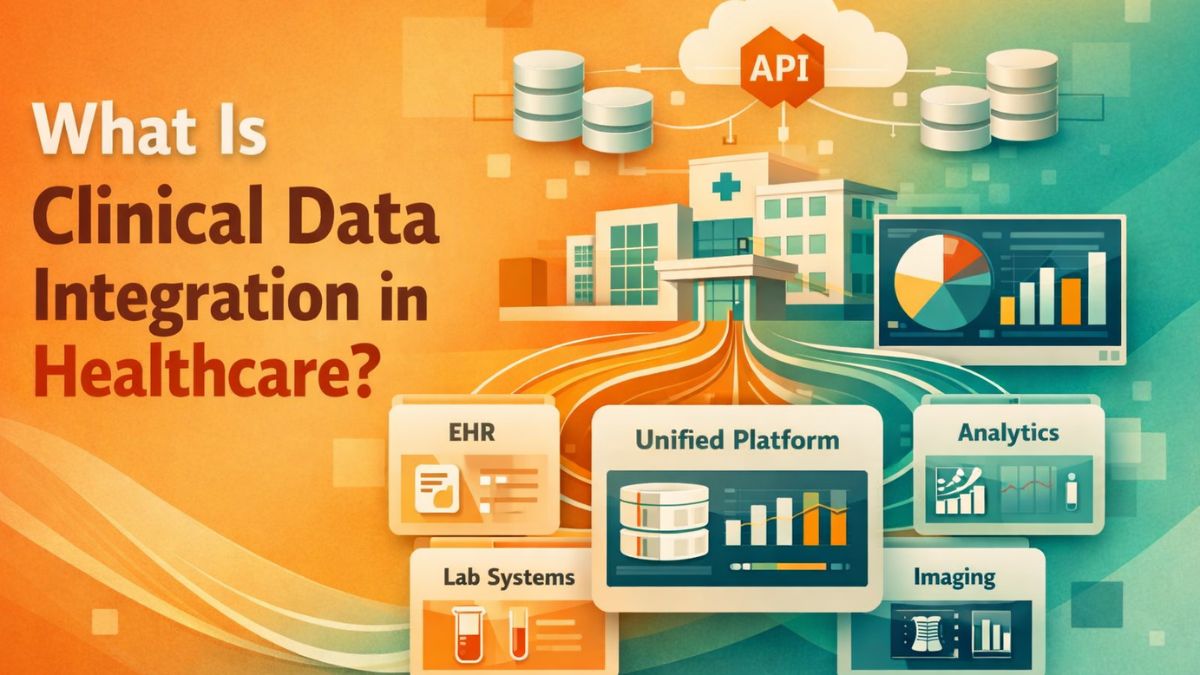
What Is Clinical Data Integration in Healthcare?
Clinical teams have access to a huge amount of data sourced from various systems. If they do not take the appropriate approach, all that information will simply remain stored in different data silos. Clinical data integration provides you with a feasible solution to harmonize information relating to care, operations, and technology, thereby enabling you to … Read more
Read more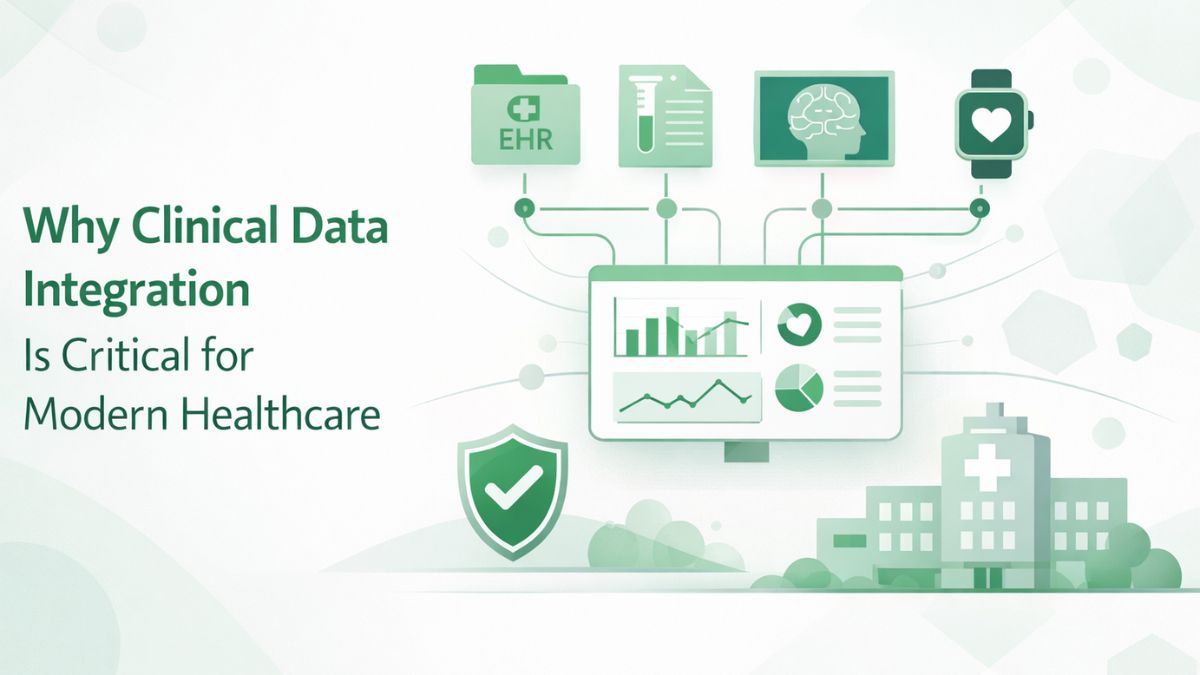
Why Clinical Data Integration Is Critical for Modern Healthcare
You sit on a vast amount of clinical, financial, and operational data. A large portion of it is stored in different systems that hardly ever communicate with each other. The integration of clinical data transforms these fragmented data sets into a unified, dependable basis for care, insight, and growth. You reinforce clinical decisions, lessen obstacles, … Read more
Read more
Healthcare Data Interoperability: How to Connect, Standardize, and Scale Clinical Data
Interoperability of healthcare data is the focal point of all digital health strategies. You are under the pressure of doctors, management, and insurance companies. Each group wants to get a full set of data, accurate, and delivered on time. However, your systems do not communicate with each other, they use different data formats, and they … Read more
Read more
Data Integration Architecture Patterns for Healthcare Enterprises
Healthcare data integration architecture is essentially the framework for deciding how your organization will share, secure, and utilize data across different systems. A fragmented architecture would mean your teams are constantly battling with interfaces, doing workarounds, and facing delays. On the contrary, a well thought out architecture ensures that each link aids clinical, operational, and … Read more
Read more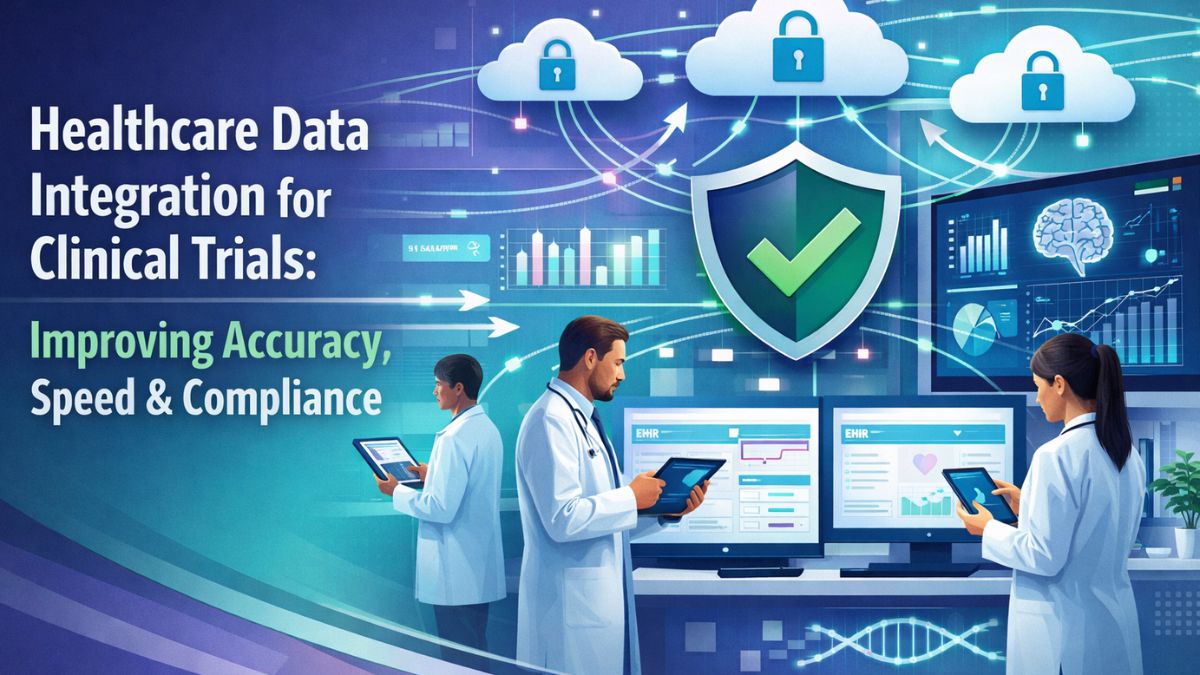
Healthcare Data Integration for Clinical Trials and Research
You are under pressure to accelerate research while still handling risk, cost, and compliance effectively. Clinical teams need clearer insights. Operations require more predictable timelines. Sponsors want their evidence to be solid enough to withstand scrutiny. The whole thing relies on one thing that frequently blocks progress: clinical research data integration in healthcare. When your … Read more
Read more